
The value we add to a project is something we don’t communicate well enough as an industry, so it’s vital that we get better at demonstrating how the benefits of a lighting designer will always far outweigh our fee.
How do we actually make a difference to the design process? The answer goes way beyond technical advice on architectural and decorative lighting.
Light is a complex medium that requires mastery of a list of continually evolving disciplines. Knowledge of design, architecture, engineering, physics, psychology, sociology, wellbeing, standards and sustainability are just some of the ingredients that constitute a great lighting scheme.
And this list of specialisms is ever developing. How we approach design is continually evolving – never more so than now as we navigate the impact of Covid-19 and how this will influence sectors such as retail, hospitality and workplace. Products and controls are developing at pace. Standards are becoming more complex. Sustainability has never been more important. And crucially, design has moved beyond the physical realm to encompass important concepts such as health, wellness and biophilia, adding new layers to how we approach a project.
Mastering all of these parts is a full-time job in itself, one that requires constant education and research. But this expertise makes a real difference to the projects we work on. It’s how we add value and influence the design process for the better.
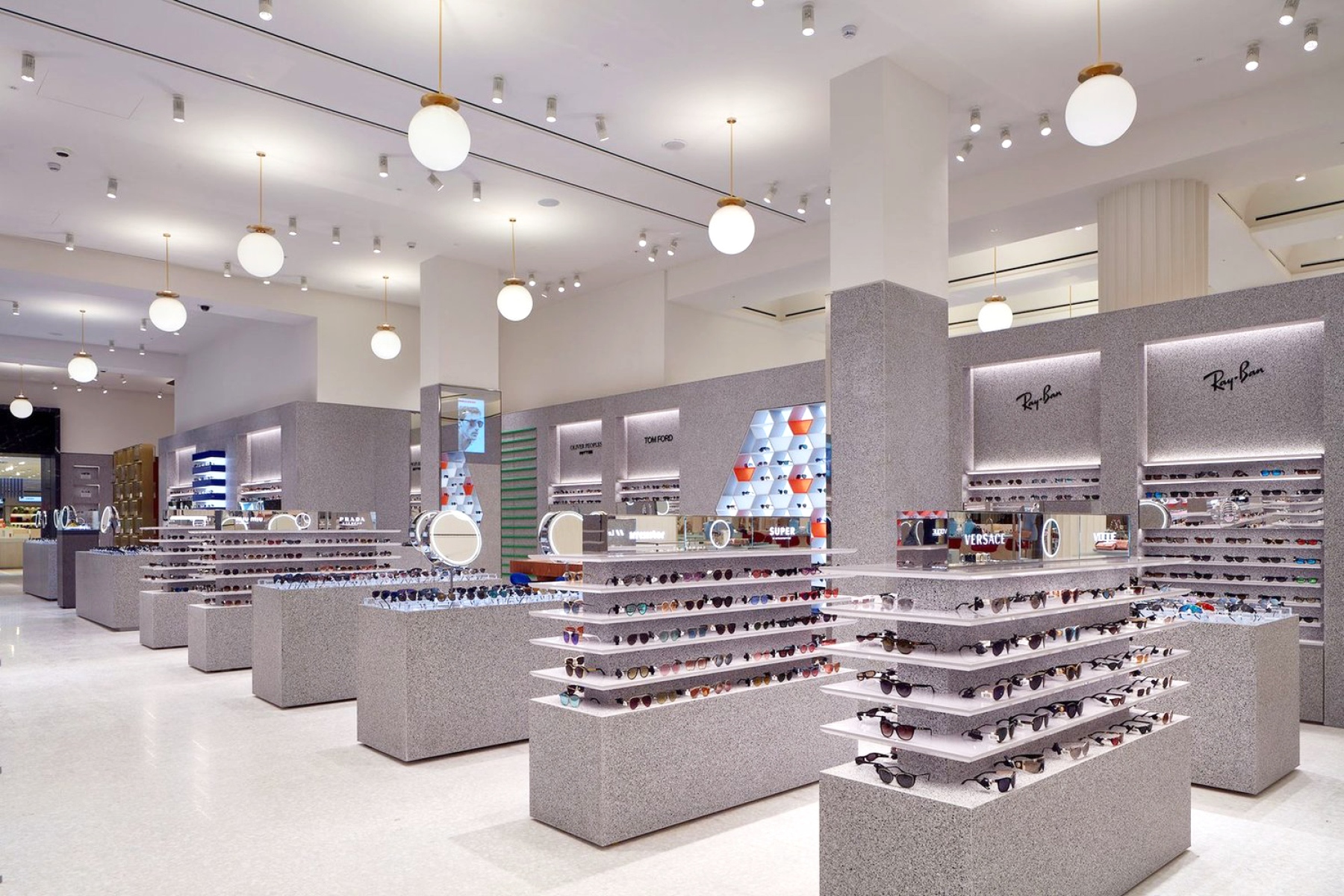
Selfridges Eyewear Destination | London
When lighting is integrated effectively, it affects how we perceive a building and emotionally connect to a space. It should be seamless and the boundaries between architecture and lighting should fall away. The most beautiful buildings are the ones that you encounter and everything about that building feels right. Sometimes it’s impossible to put your finger on the reason why it works, but the answer is great design, with every consultant discipline working together in harmony.
When lighting designers and architects work in tandem, the result is always a layered lighting scheme with visual interest. A scheme that reinforces the architect’s vision and enhances the way we see and experience that building. The relationship between the two becomes symbiotic and this is invariably what breeds a successful scheme.
When lighting is integrated effectively it can influence how we experience a space. Across many sectors including retail, hospitality, workplace and the public realm, experience has never been more important. Lighting design plays a huge role in this because it facilitates an emotional connection through ambiance, mood and drama. Employed skilfully, lighting design will perform multiple functions: it can reinforce brand identity or enhance merchandise within a retail outlet, help guide the eye and a guest through a space in a hotel, facilitate an emotional response in a restaurant, and encourage footfall in a public realm environment. Ultimately, if experience is important then lighting should also be important.
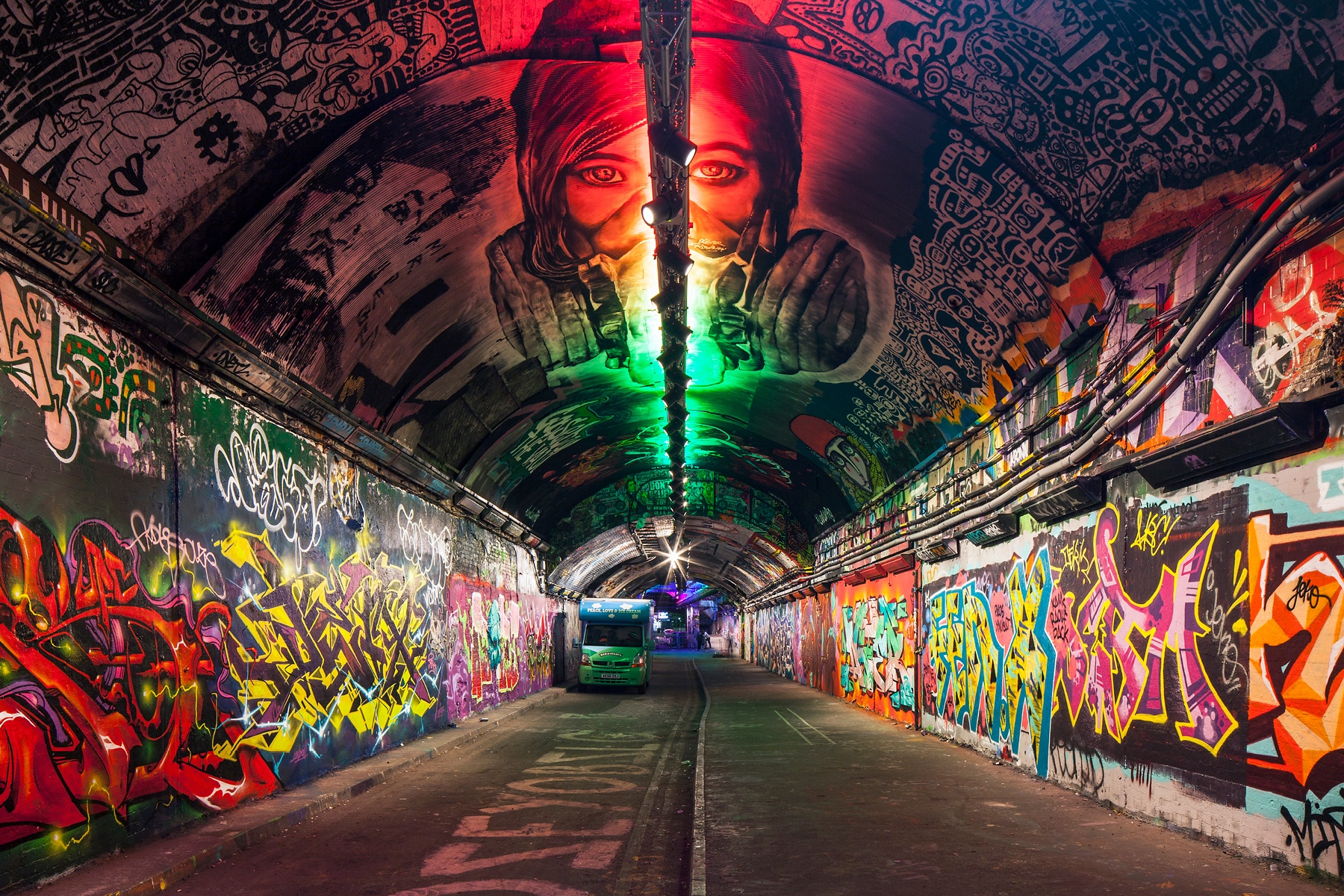
Leake Street Arches | London
When lighting is integrated effectively it has the ability to elevate a visual environment to a whole new level. One of a lighting designer’s key skills is the art of reading the aesthetics within a space to improve the fabric of the building by creating permeability and enhancing surfaces, finishes, textures and tones. There’s an element of finesse in lighting design that is so much more than fixtures and fittings.
It’s more about the balance of light and shade, daylight and artificial light, vertical and horizontal lines and materials and finishes. When lighting is integrated effectively it is applied with precision to ensure that fittings are only used where they’re really needed.
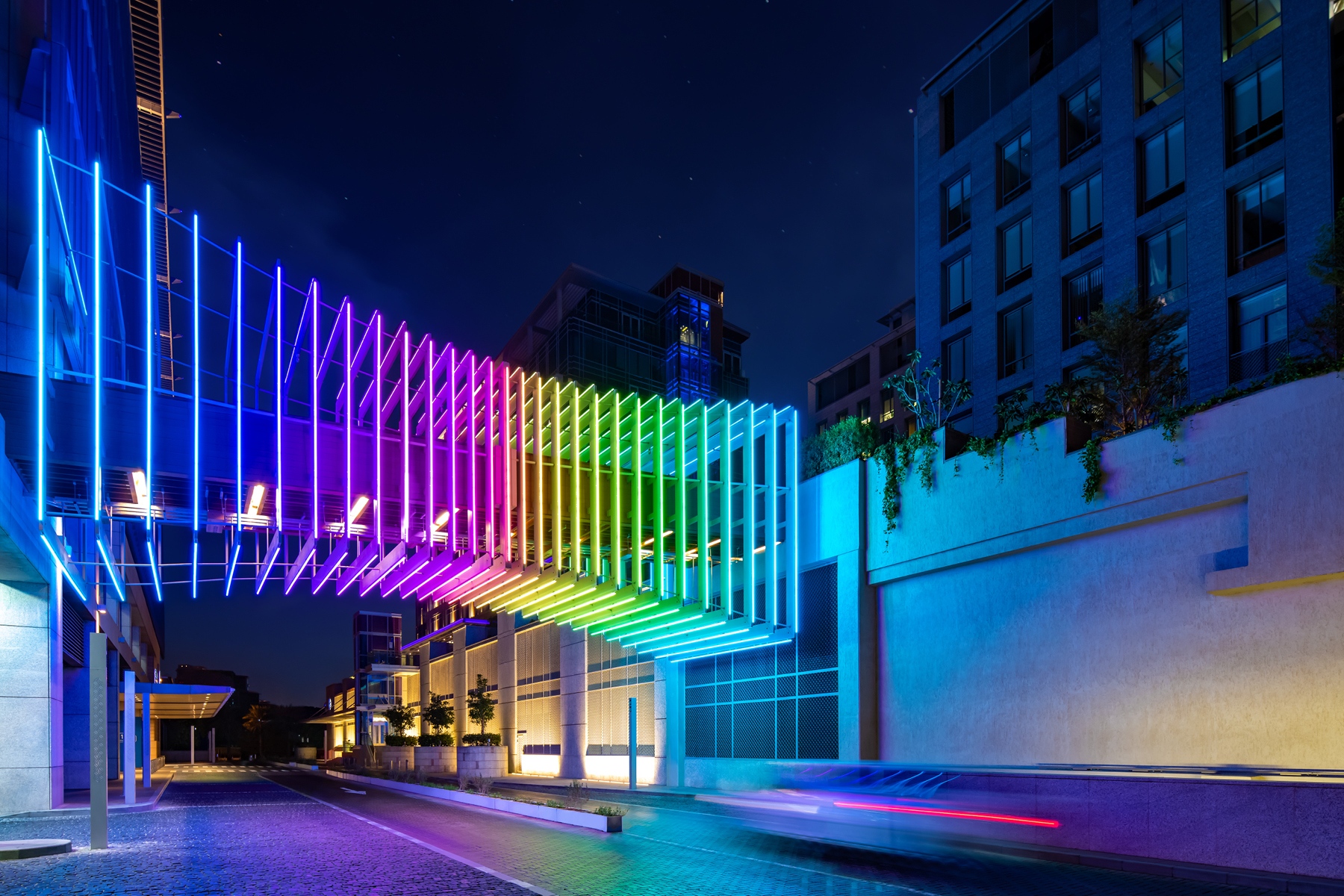
DIFC Gate Village | London
The art of illumination is about coordinating all of the lighting elements within a space to prevent unnecessary interventions from an aesthetic point of view, but also to find ways to cut energy consumption and reduce costs for the client. By approaching projects in a holistic way, we’re able to create a more multisensory experience where quality rather than quantity of light is the distinguishing factor.
When lighting is integrated effectively it puts the individuals that inhabit that space front and centre – the very essence of human-centric design (a term we hate as all good design should be human-centric).
By digging down into the DNA of a project and understanding both the psychological and physical needs of its stakeholders, we can design schemes that make people feel happier, healthier and more efficient. This has never been more important as health and wellbeing have quite rightly moved to the foreground, and as a result, industry standards have become stricter and more complex.
It’s forced us to adopt a more holistic approach to lighting design, one that prioritises the individual instead of just the physical elements of a project. Finally, and most importantly, when lighting is integrated effectively it is conscious and respectful of the environment. The issues caused by light pollution are something we’re very much aware of as lighting designers. Obstructing our views of the night sky is one thing, but light pollution also causes havoc with the environment, affects our health and wastes energy. We have a duty of care to respect the night sky in our work and to educate all parties on the importance of protecting it for future generations.
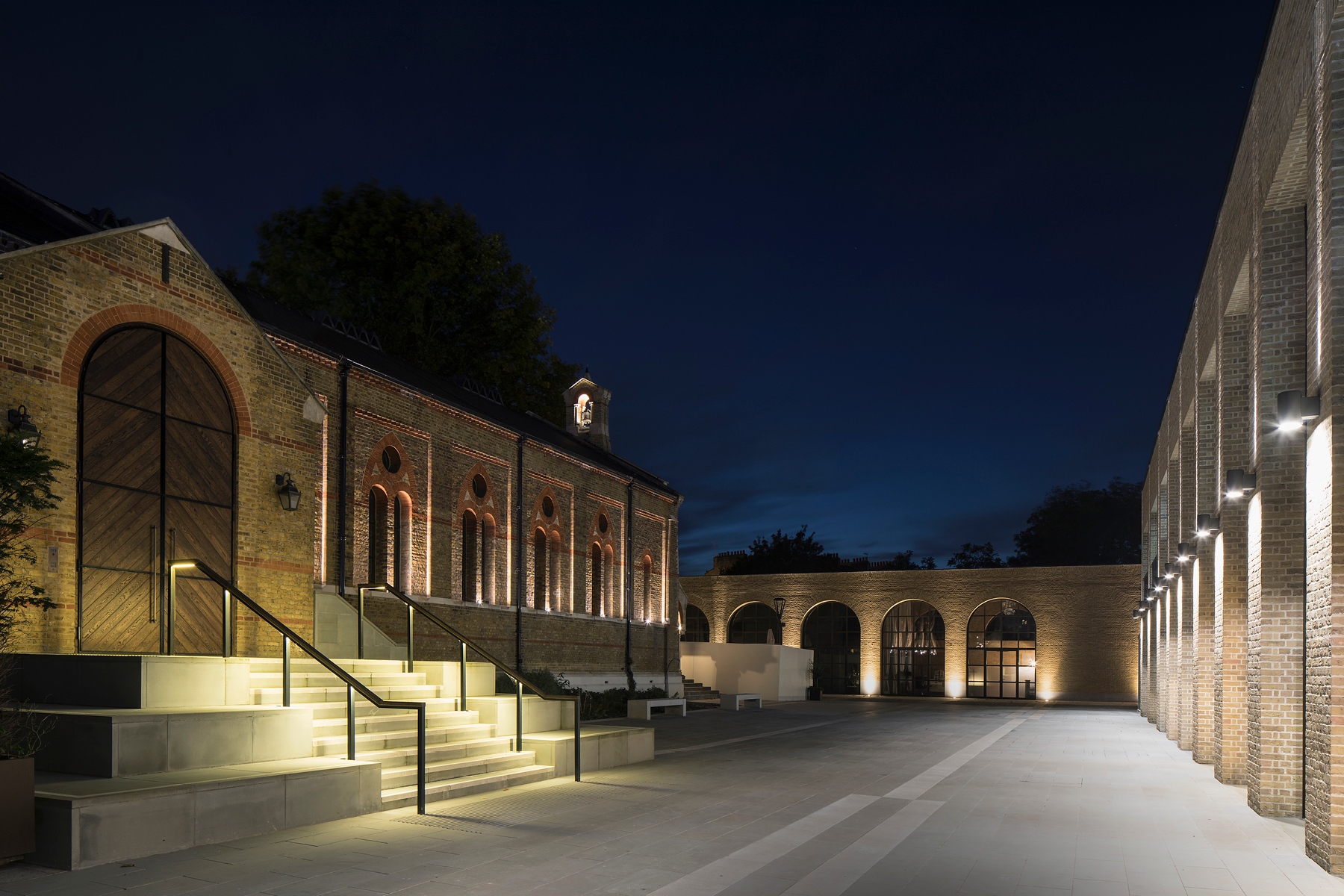
Chelsea Barracks | London
We must carefully balance our designs to make sure we’re meeting the client’s desired outcome, but not to the detriment of night-time ecology. Equally, as we find ourselves at the junction of technology and design, our mission should be to design responsibly by balancing innovations in technology with an ethical mindset. We’re playing our part by putting design decisions under the microscope and questioning how we can make a difference, from interrogating the provenance of each product that we specify, through to problem-solving how the lighting products that we use can be repurposed.
With all of these factors to think about, there’s never been a more important time for lighting designers and manufacturers to work together in close partnership.
A design project will only be a success if designers and manufacturers maintain an open dialogue and work collaboratively to ensure that each and every one of these requirements is met.
Paul Nulty, Founder & Principal of Nulty+
GET MORE INSPIRATION
Marino Furlan | Intra Lighting: The future of lighting is brighter