
Article | Events
Celebrating 50 Years: Honouring Our Past, Building Our Future in the Lighting Industry
A host of industry professionals considered the pivotal role light plays in create truly healing healthcare environments.

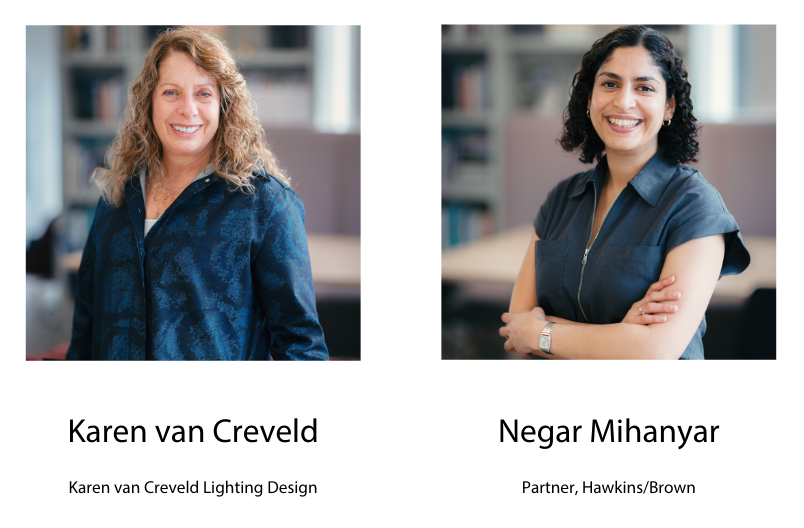
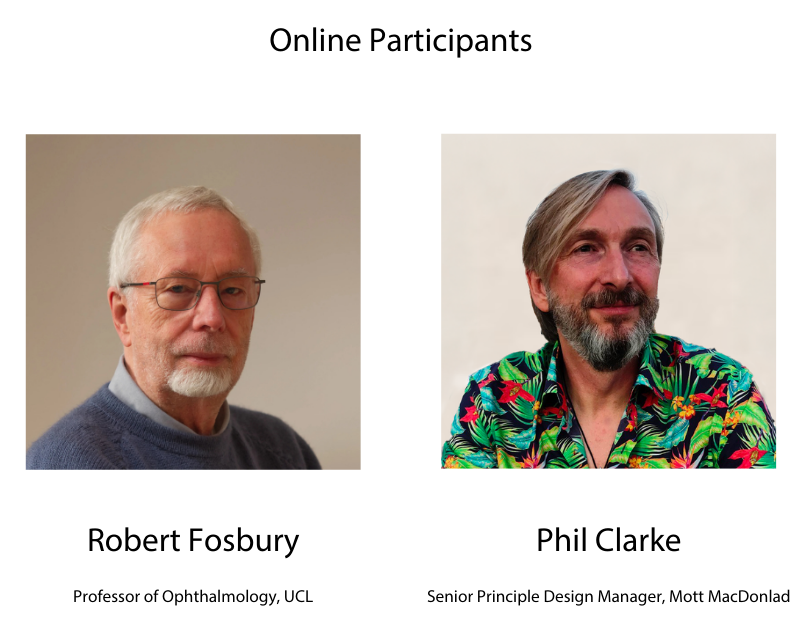
Our understanding of how natural and artificial light can positively impact human health and wellbeing has regressed significantly, particularly in hospital environments. Whereas Florence Nightingale championed light, fresh air, and nature as crucial elements to patient recovery in her time, there is now a trend of flooding hospital buildings with LED lights, which is driven largely by efforts to reduce carbon emissions.
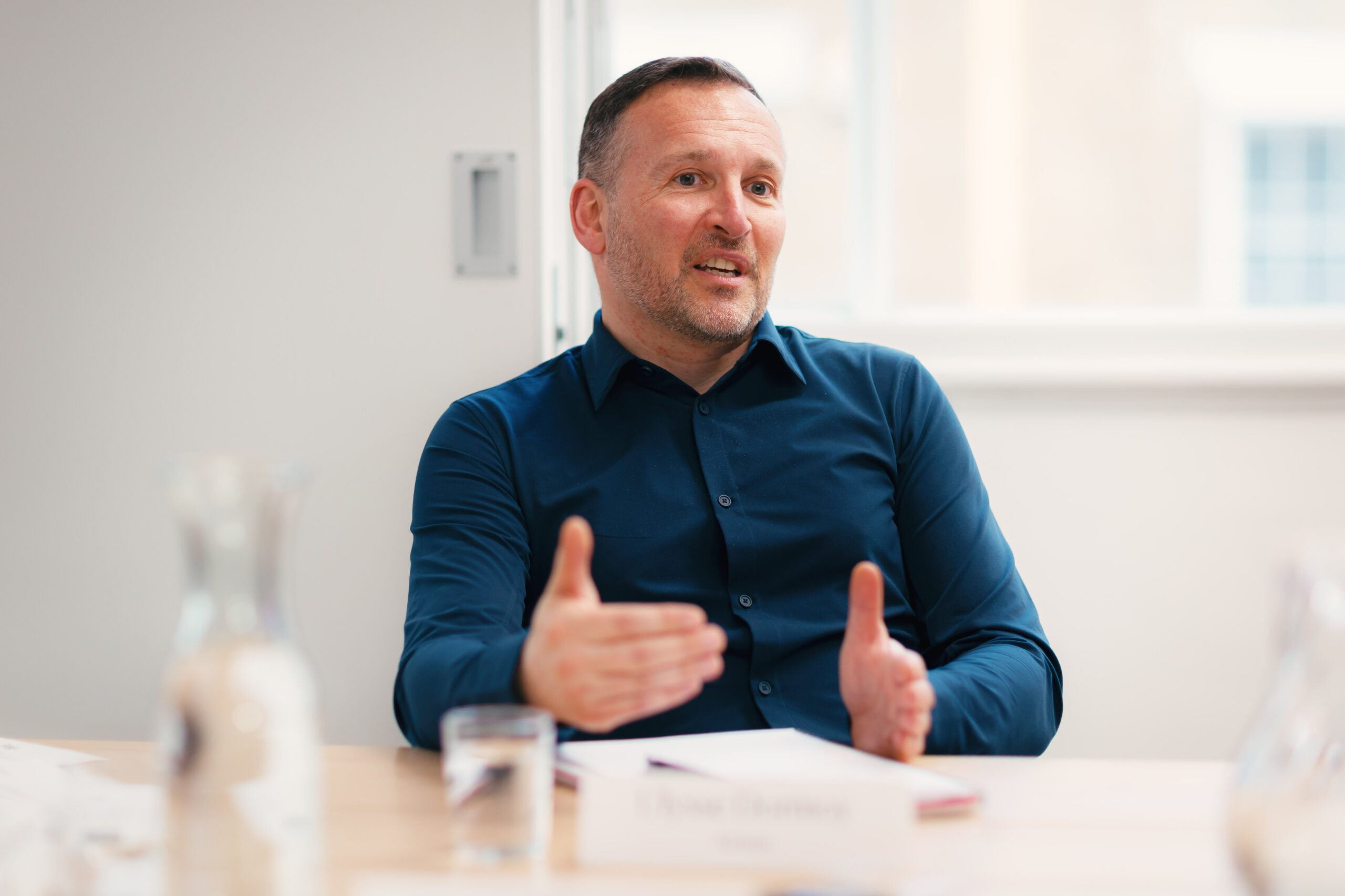
These concerns were brought to light during an industry roundtable event organised by independent lighting specialist Atrium. The event, bringing together experts from academia, architecture and design, focused on the impact of natural and artificial lighting on wellbeing and productivity.
Chaired by Healthcare Property editor Jo Makosinski, this discussion explored ways to better harness the benefits of light to create healing healthcare environments.
The experts acknowledged that current approaches often focus on pathogenesis – the understanding of illness – rather than salutogenesis, which emphasises creating health and healing through more structured and better-informed design. They also called for a shift from environmental sustainability – which they fear is stifling progression – to “human sustainability,” together with more creative thinking around legislation. Robert Fosbury, Honorary Professor at the University College London (UCL) Institute of Ophthalmology, noted the detrimental impact of moving away from thermal lighting sources, which includes tungsten filaments, fires, and candles. While they help us to see, these sources also allow us to metabolise properly. The shift to fluorescent tubes and white LEDs negatively affects public health, and he emphasised the need to “resuscitate the sunlight.”
Echoing this sentiment, Ulysse Dormoy, CEO of Atrium, discussed the industry’s transition from analogue to digital lighting and its consequences: this shift is a regression that has reduced “our understanding of light rather unintelligently to just the visible element.” Karen van Creveld, founder of Karen von Creveld Lighting Design, had a similar observation. Selective interpretation of scientific data for monetisation oversimplifies the benefit of LED lighting, and she sees that the true meaning and potential of scientific advancements are at risk of being lost.
This need to think more broadly applies to the built environment as well: Tye Farrow, founding partner of Farrow Partners, stressed the importance of evaluating architecture on its ability to “cause health,” rather than merely focusing on its physical attributes.
Representing the architecture and design community at the roundtable were Phil Clarke, senior principal design manager at Mott MacDonald; Sophie Crocker, architect and health design researcher at White Arkitekter; and Negar Mihanyar, partner at Hawkins Brown Architects. These panellists acknowledged the importance of sunlight and the positive impact of artificial lighting on wellbeing but cited several barriers to widespread adoption.
Mihanyar highlighted the need to learn from Scandinavian countries, who approach healthcare and healing environments more innovatively and holistically instead of replicating the status quo. For example, whilst designing interior lighting for healthcare spaces, there should be an equal emphasis on staff wellbeing and the patient experience. Clarke expressed disappointment with the lack of evolution in lighting design, calling for the need for change and improvement. “We always get caught in cheap is best,” he said. “We want to produce the minimum functional light as possible, so we talk about levels of light; we don’t talk about quality of light.” He stressed the importance of educating people to make the choice between cost and value.

A major stumbling block to using natural daylight and artificial light in a more impactful way is the growing focus on sustainability and carbon reduction: projects are predominantly driven by environmental sustainability agendas. Dormoy called for pushing quality to shift the balance towards human sustainability, highlighting that light is more than just a visual aspect for human health. In pointing out that the issue is not technological but legislative, he argued that sustainability metrics often overlook the broader impact on human health.
The panel agreed that, while natural sunlight was optimal, the very nature of hospital buildings meant there was a need for artificial light sources, particularly broad-spectrum and infrared lighting.
Fosbury suggested that artificial light could provide the benefits of sunlight if used intelligently: even simple changes, such as replacing every third LED downlighter in an ICU with a tungsten halogen spotlight, could improve patient outcomes.
Dormoy highlighted the financial benefits of using infrared lighting, citing a study from Chile showing a 30% reduction in ICU stay length – with a stay costing around £2,000 a day – with infrared intervention.
“Through design we can harness different aspects of nature to create beneficial environments,” he said. “Technologically, we could introduce infrared LED into a light source of 850 nanometers, which cannot be seen by the naked eye, but could benefit the human body.”

The panellists also called for updates and improvements to Healthcare Building Notes (HBNs) and Health Technical Memoranda (HTMs), which they believe are not holistic in their approach. Crocker emphasised the need for adaptability in lighting design, particularly in waiting areas and patient rooms. She said, “We struggle to negotiate as legislation and guidance don’t allow that navigation of what is good design, what is safe design, or what is energy-efficient design?” Crocker highlighted the disconnect between CapEx and OpEx in UK healthcare projects and advocated for better client briefing to enable creative solutions and improvements in staff productivity.
Clarke stressed the importance of educating clients and financial teams about the true value of quality lighting design: understanding the cost analysis and benefit can help them recognise true value.
In conclusion, Mihanyar encouraged designers to be brave, take risks and challenge the status quo to help clients make more informed decisions grounded in evidence-based design.

GET MORE INSPIRATION
Celebrating 50 Years: Honouring Our Past, Building Our Future in the Lighting Industry