
Article | Events
Celebrating 50 Years: Honouring Our Past, Building Our Future in the Lighting Industry
A host of industry professionals considered the pivotal role light plays in the design of productive and healthy workspaces at Atrium’s first ever roundtable event
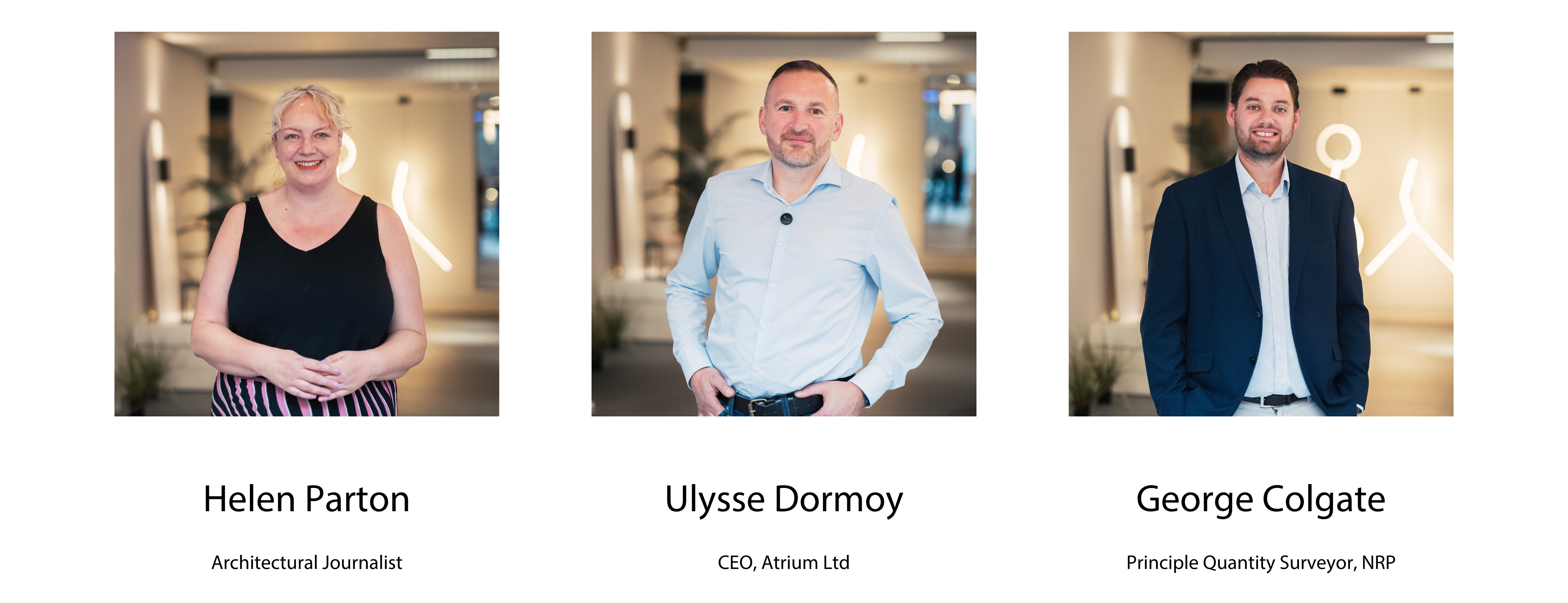
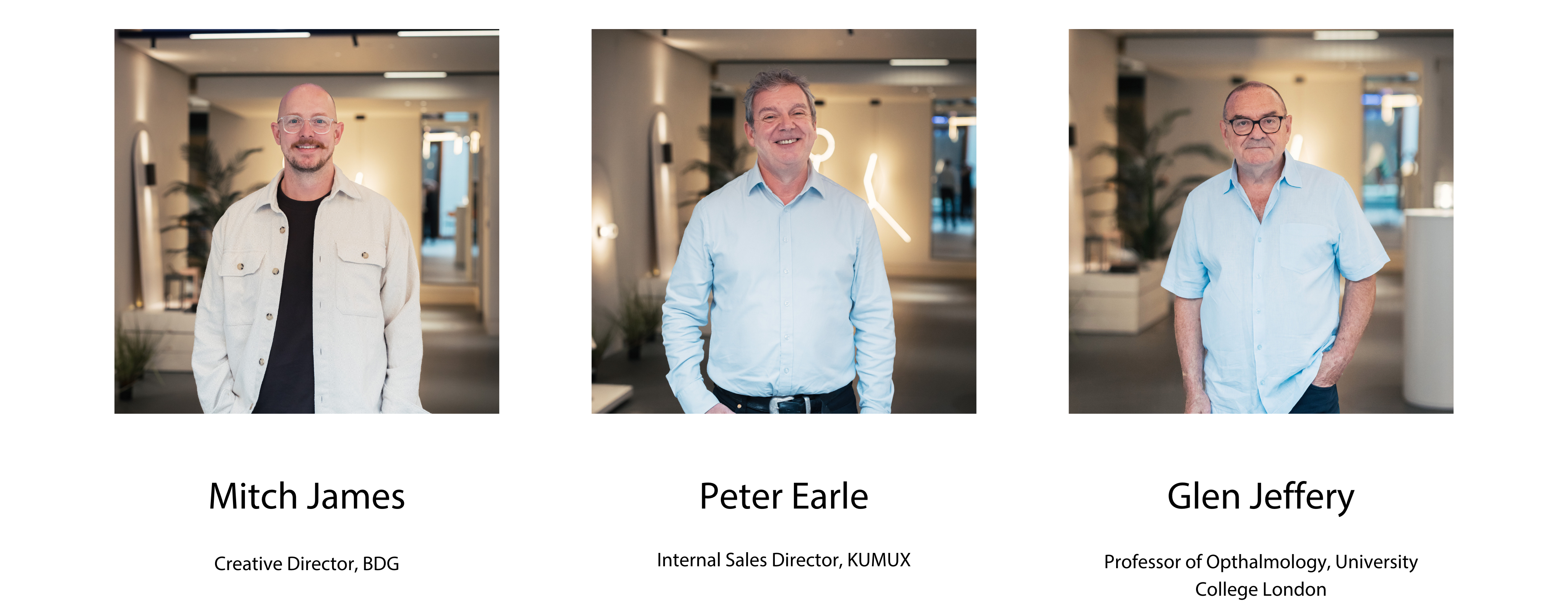

“We understand lighting but how much do we understand about light, there’s a very deep distinction between the two,” says Ulysse Dormoy CEO, Atrium, beginning a fascinating discussion on whether offices are actually making us sick and how designing productive, healthy workspace requires careful consideration of both artificial and natural lighting.
Given that we spend 90% of our time indoors since the post-Industrial Revolution shift from outdoor manual work to indoor places of work, the type and frequency of light we receive has changed too. And while our knowledge of photosynthesis dates back nearly 250 years, there is also a lack of understanding that we, as human beings, are solar collectors too and need quality of light in order to function well.
It’s probably one of the most exciting times in lighting at the moment, in that we are starting to understand how our physiology works and responds to it.
There is a growing emphasis on health and wellbeing in the workplace and understanding that light has a key role to play but how is this balanced with the quest for energy saving and the ever-growing mantra of ‘value engineering’.
The discussion referenced the latest research by UCL professors Dr Glen Jeffrey and Dr Robert Fosbury which shows that our bodies need the full solar spectrum and infrared light in particular to help produce energy and slow the progression of diseases and improve overall health. The panel of built environment and lighting professionals subsequently considered whether the industry’s pursuit for efficiency has created an unhealthy workforce.
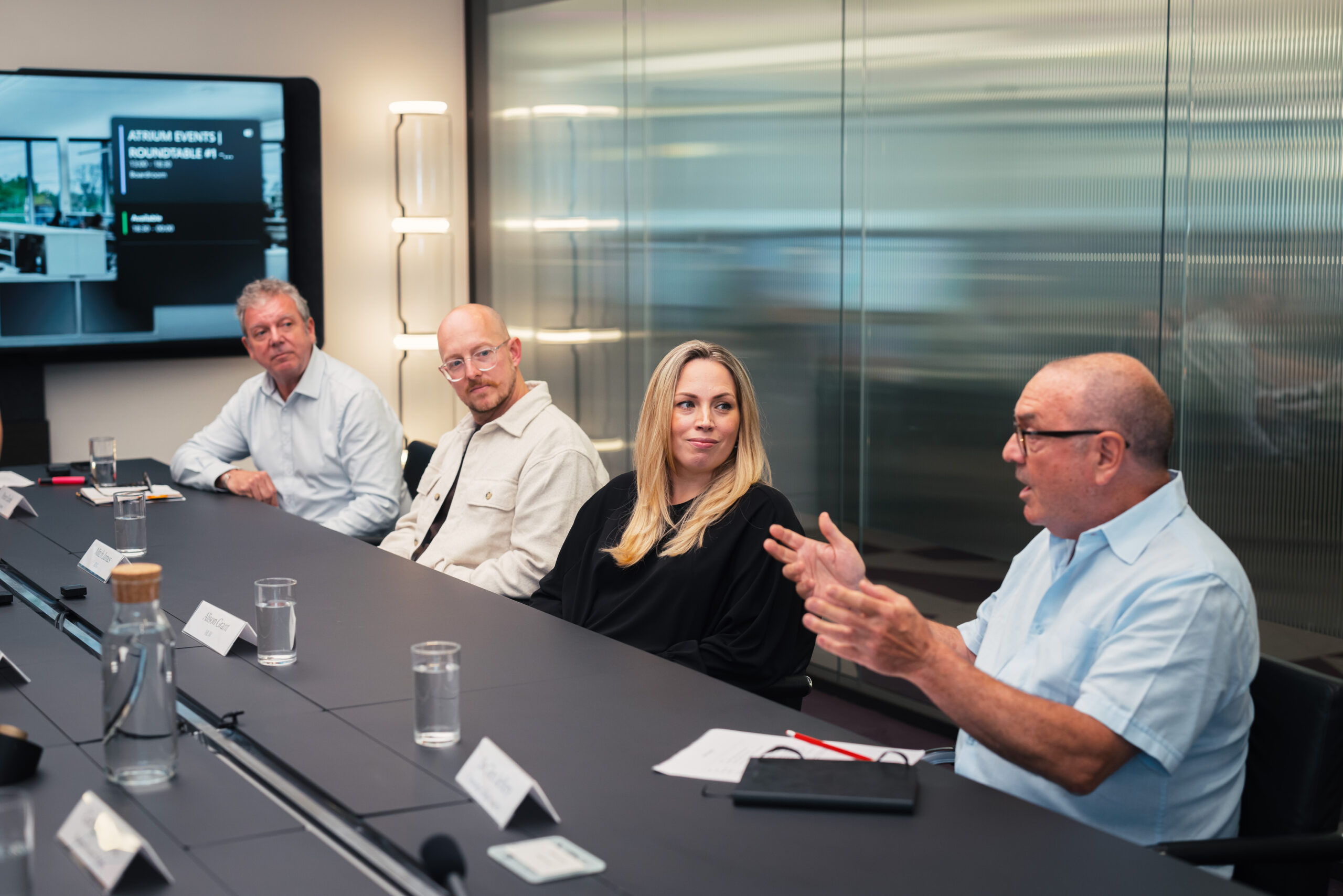
The interaction between light and the body has a profound impact on our health. We need to be providing a wider spectrum of light.
The architects, designers and other built environment and lighting specialists in the room gave some historical perspective on lighting. This included the transition from analogue to digital light sources and lighting’s current position at the intersection of technology and wellbeing, as well as the future research and knowledge around software and tools that will self-learn and adapt, according to different inputs.
During the roundtable, participants referenced lighting from other sectors and its application in the workplace. In healthcare environments customisable lighting options can help patients engage with their treatments with emotional and psychological benefits of lighting beyond aesthetics, highlighting the importance of user control and personalisation in lighting. The integration of hospitality and retail-inspired lighting strategies in commercial office spaces can create more dynamic and adaptable spaces, using a layered approach to lighting, from high to low levels. Plus there is also an overlap between what can be achieved in super prime residential and the lighting design outcomes in the workplace sector.
How we apply [the science around lighting] across all of the sectors is really important, especially the office sector.
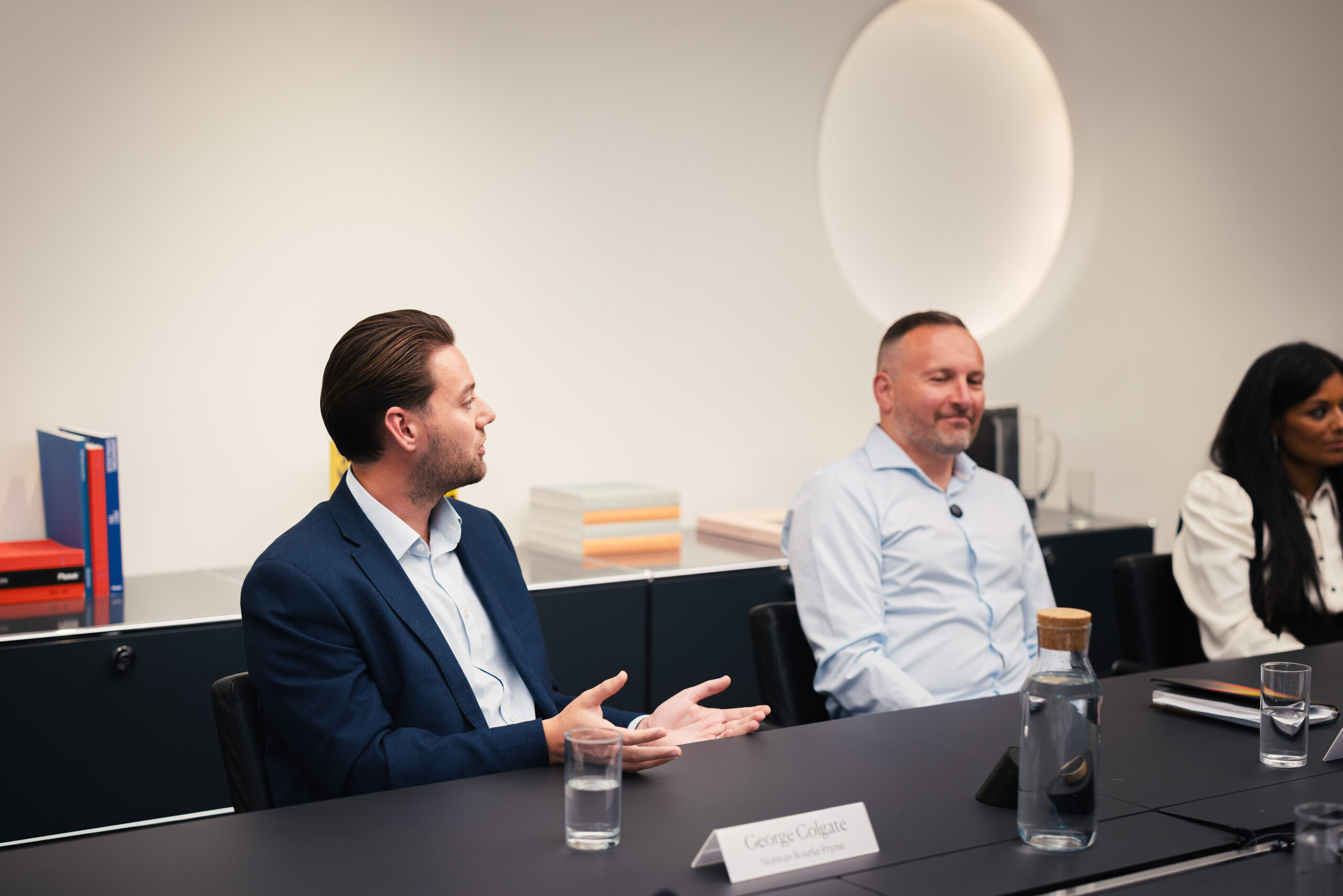
Lighting goes hand in hand with the designs we create. We really need to think about experience; how people interact with it when you’re designing spaces.
There was a desire from those involved in the built environment to learn more about lighting’s health impacts in a much deeper way and, specifically, the interaction between light and the body, including the role of mitochondria. Dr Glen Jeffery explained how these membrane-bound organelles found in the cells of animals, plants and fungi, control metabolism, health and overall life expectancy. Light can affect blood pressure, heart rate, and blood sugar levels by influencing mitochondrial activity. Red light can stimulate mitochondria, reducing blood sugar, while blue light can slow them down. Daylight is therefore crucial for human health due to its full spectrum of light. Artificial lighting in offices often lacks this full spectrum while infrared-blocking glass limits the impact of natural daylight entering an office building.
Among the solutions discussed were better, more varied lighting design to suit the diverse experiences beyond traditional desks. How lighting worked with finishes and materials was also seen as key to enhancing the whole workplace experience. While much effort goes into selecting materials, there is sometimes insufficient attention given as to how lighting affects those materials. Natural light and the placement of finishes can greatly influence how materials such as timber are perceived by users, especially when biophilic elements are involved as well.
It’s about using materiality and lighting to provide elements of surprise and intrigue and not forgetting the importance of daylight.
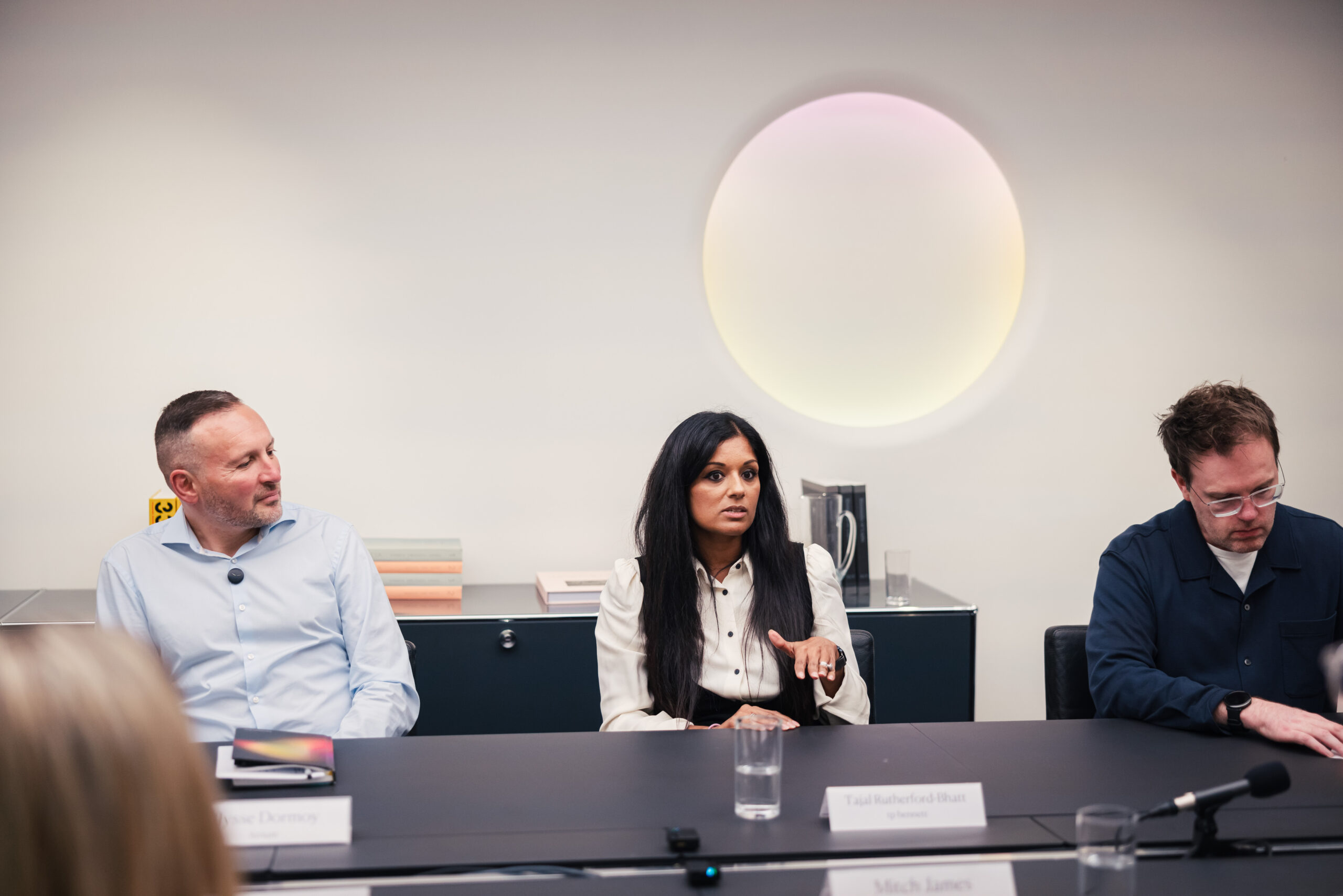
Biophilia goes beyond having plants in or around the office building to reflect the light and extends to the nature-inspired patterns within the interior from the carpet to the façade. The role of the roof terrace was carefully considered during the discussion too: whether it will truly be considered an additional workspace beyond its role as an events or recreational space.
Lighting providers such as KUMUX utilise AI and machine learning to select and analyse data related to lighting, such as hardware performance and the Circadian or biological impact of light. Integrating this data-driven design with an additional focus on human experience is essential to designing lighting solutions based on the tasks and needs of the occupants in a particular workspace.
When we talk about human centric lighting, I think we should think more about that as a dynamic design choice, so that we can incorporate all of these elements that we know about.
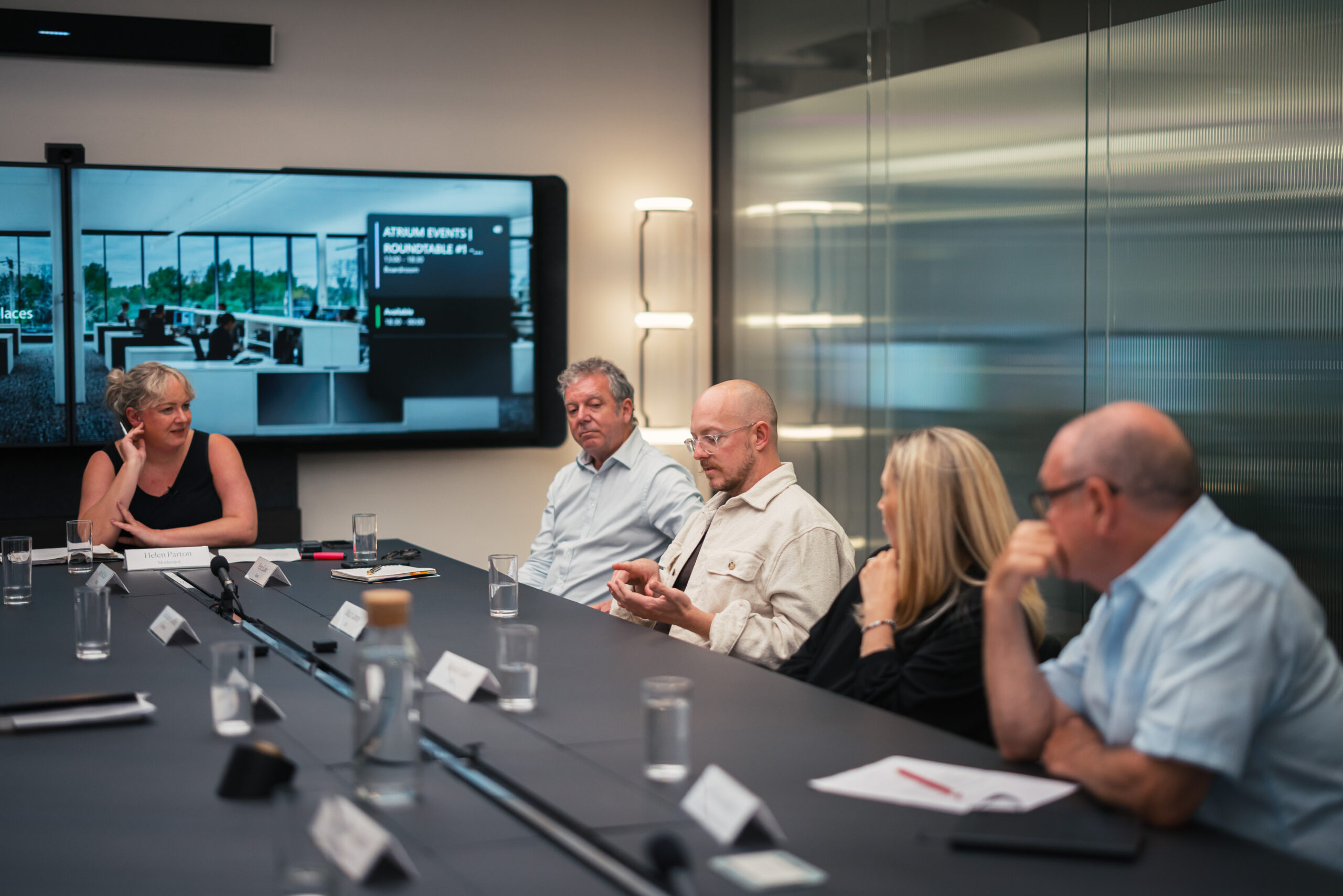
There was general agreement that lighting should be treated as a core design element, rather than just a functional requirement. After all, it plays a crucial role both aesthetically in terms of creating different moods and individual work preferences, as well as providing physiological benefits. Clients need to be fully bought in to the positive impacts of lighting on wellness and productivity and the overall user experience. There is a desire to give clients the best value for money on their projects. Early involvement of lighting design experts can ensure high-quality lighting, without unnecessary cost-cutting. Although lighting can become a target for value engineering and subsequent cost saving, not getting things right in this area can dramatically affect the overall quality and long-term productivity of the occupants of a workspace.
With regards to the value and budget, the first thing is always having the right team on board with the right estimates of clients’ assets, so their eyes are open and supporting their spending. It’s about putting the right budget in place for the lighting.

I think lighting’s so unvalued in workplace design in terms of what effect it can have. It’s about educating our clients and making them see it as an investment.
While the tension between energy efficiency and achieving ideal lighting for the human experience remains, building rating systems may have their part to play with the likes of the WELL Standard encouraging a deeper exploration of light quality and how building facades impact the light that enters spaces.
Summing up the session, Ulysse Dormoy says finally, “Lighting is an application, it’s a product, however light is something that we receive. And we seem to have forgotten all the things we knew about light. But today, finding out more about the scientific research around light is helping us all to make amazing progress in understanding what it does to us. We have a collective responsibility to create healthy and productive workspaces to support employee wellbeing and meet the productivity needs of employers.”
GET MORE INSPIRATION
Celebrating 50 Years: Honouring Our Past, Building Our Future in the Lighting Industry