Skip to content

+44 (0)20 7681 9933

Atrium Logo 2021
  • Atrium
    • The Company
  • Brands
    • Casambi
    • Cooledge
    • Flexxica
    • Flos
    • Fluxwerx
    • Intra Lighting
    • Lumenpulse
    • Sattler
    • Vibia
  • Projects
  • Products
  • Journal
  • Learning
    • CPD
    • Book your Discovery Tour
  • Team
  • Careers
  • Contact us
Lighting for the Darker Months: Colour Temperature and Natural Light
11 November 2026
Home    >   Journal
Article   >
Lighting for the Darker Months: Colour Temperature and Natural Light

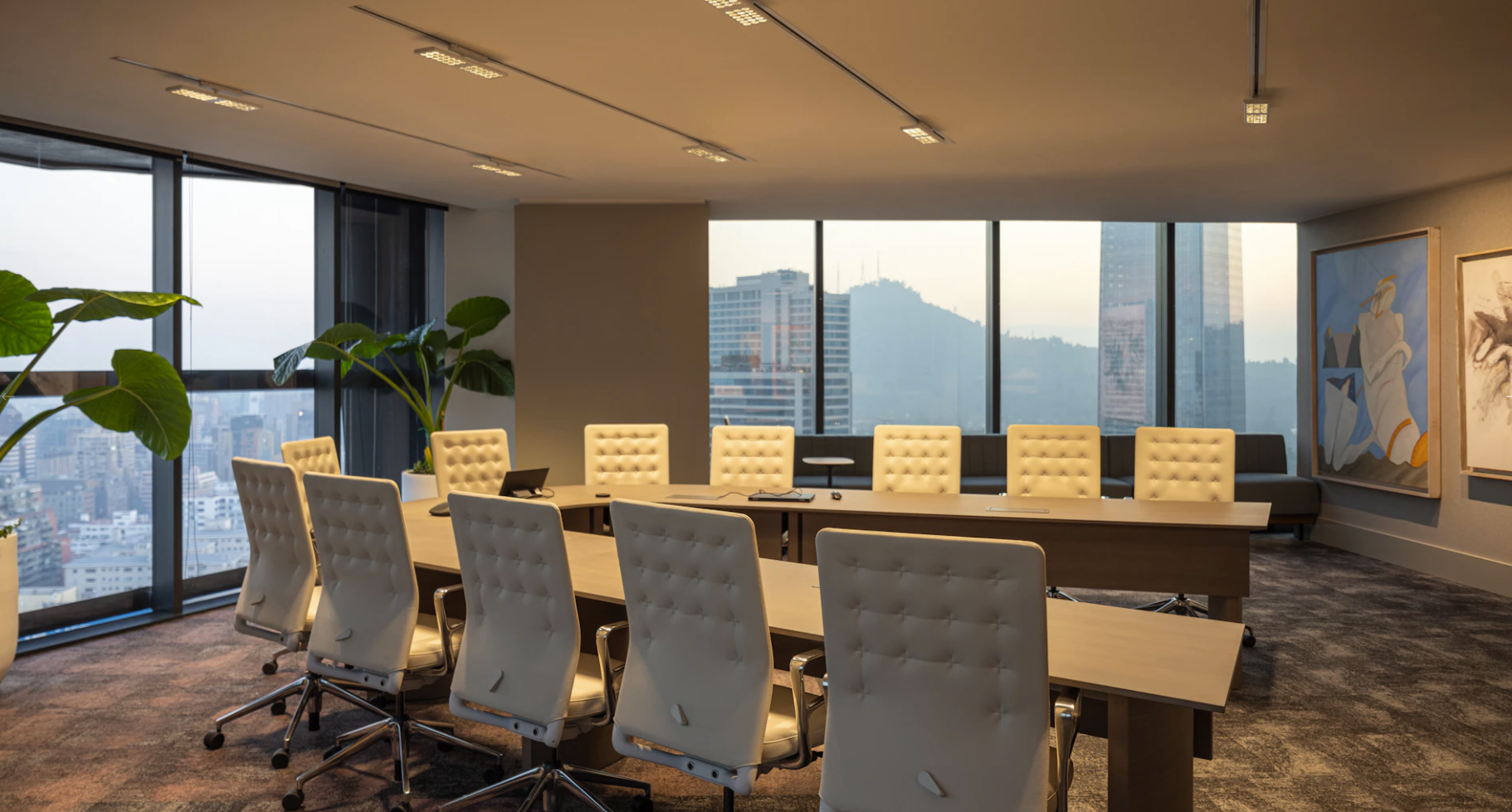
This week is Daylight Awareness Week, the perfect time to reflect on the impact of natural light on our health, wellbeing and productivity. As daylight decreases significantly through the winter months, these seasonal shifts can affect the way we experience and thrive in the spaces we inhabit. So how can we use Human Centric Lighting strategies to boost the positive effects of artificial light as natural daylight declines?


What is Colour Temperature?

Colour temperature, measured in Kelvin (K), describes how warm or cool white light appears. The tone of light in a space can affect our physical and mental wellbeing in different ways, depending on the time of day and how the space is used.

  • Warm white (2700K-3000K): Replicating the classic look of an incandescent bulb, warm white creates a relaxing, welcoming atmosphere. It is particularly effective in living rooms, bedrooms and dining rooms. In the workplace, it suits social breakout spaces.
  • Neutral white (3500K-4000K): A crisper white tone, still feeling inviting rather than sterile.
  • Cool white (5000K+): Often associated with increased focus and alertness, making it ideal for workspaces and kitchens, especially in the morning.


Overall, the role colour temperature plays in shaping mood and perception should be considered early in the design process, to ensure spaces can enhance wellbeing all year round.
The Role of Artificial Lighting in Supporting Seasonal Change

While artificial lighting cannot fully replicate the beneficial qualities of natural light, modern lighting techniques can help bridge the gap, maintaining comfort, productivity and wellbeing through the darker winter months. Strategies include:

  • Human Centric Lighting: Dynamic colour tuning shifts from crisp, cool white light in the morning, mimicking peak daylight, to a warmer tone in the evening. This supports focus early in the day and the body’s natural melatonin production as we wind down. By providing some of the biological cues we miss when daylight hours shorten, it may also help support people affected by Seasonal Affective Disorder (SAD).
  • Layered Lighting and Controls: A layered scheme creates depth, comfort and visual interest, helping interiors feel less flat or gloomy in winter. Combine ambient lighting for overall illumination, task lighting for focused activities, and accent lighting to highlight walls and architectural features. Wall-washing can further enhance the perception of brightness by reflecting light back into the room. Paired with intelligent controls and daylight harvesting, light levels can adjust automatically to changing natural light, maintaining comfort throughout the day while improving energy efficiency.


Conclusion

As natural light levels change through the year, a well-designed lighting scheme plays a vital role in supporting wellbeing, comfort and productivity. Daylight Awareness Week is a reminder of the importance of balancing natural and artificial light to create spaces that respond to users’ needs year-round. Whether you are enhancing a new development or improving an existing space, working with a lighting designer can help deliver a more effective, comfortable and sustainable environment.
GET MORE INSPIRATION

Explore more similar articles from our Journal

Article

Acoustic Lighting: Enhancing Workplace Well-Being Through Light and Sound

  • 7 October 2026
Article

Casambi : Lighting Control and Human-Centric Lighting

  • 22 September 2026
Article

Illuminating Education: Designing Lighting Schemes for Focus, Comfort, and Well-being

With the decrease in daylight hours in the coming…
  • 17 September 2026
Article

Designing for Wellbeing: Human-Centric Lighting

  • 21 August 2026
News | Article

Atrium and Flos Strengthen Exclusive UK Retail Partnership

Atrium, the UK’s largest independent lighting spec…
  • 8 July 2026
Article

How Light Shapes the Spaces We Live In

  • 2 July 2026
Article

Modular Lighting: A Sustainable Approach

As sustainability becomes a key priority in design…
  • 2 June 2026
Article

The Psychology of Artificial Lighting: Designing Spaces That Support Wellbeing

  • 12 May 2026
Article

Designing Outdoor Lighting for Dark Skies

Natural dark skies play a vital role in maintainin…
  • 14 April 2026

ABOUT ATRIUM

The Company
The Team
Careers
CPD Programme
Contact Us
Privacy Policy
Cookie Policy
Modern Slavery Policy
Terms & Conditions

BRANDS

Casambi
Cooledge
Flexxica
Flos
Fluxwerx
Intra Lighting
Lumenpulse
Sattler
Vibia

PRODUCT CATEGORIES

Downlights
Floor Lights
LED Surfaces
Linear & Systems
Outdoor
Spotlights | Track Lights
Suspensions
Table Lights
Wall / Ceiling Lights

SUBSCRIBE
Join our newsletter and stay up to date with Atrium

LONDON: +44 (0)20 7681 9933 • sales@atrium.ltd.uk | EDINBURGH: +44 (0)131 5530269 • scotland@atrium.ltd.uk
Linkedin Instagram Pinterest Facebook X-twitter Youtube
Copyright © 2026 Atrium Ltd

This site is protected by reCAPTCHA, for which the Google Privacy Policy and Terms of Service apply.

We use cookies to ensure that we give you the best experience on our website. If you continue to explore our site you agree to our use of cookies and our updated Privacy Policy.

I ACCEPT
PRIVACY POLICY