
From supporting productivity in workspaces to creating comfort and relaxation at home, lighting plays a fundamental role in how a space affects our wellbeing. As research continues to deepen our understanding of the relationship between light, health and behaviour, human-centric lighting has become an important consideration in the design of healthier, more responsive environments. By placing people at the centre of the design process, human-centric lighting goes beyond basic visibility to support comfort, daily rhythms and performance. Whether in offices, schools, healthcare facilities or residential settings, a carefully designed lighting scheme can shape how people experience and interact with the spaces around them.
Human-centric lighting is designed to work in harmony with the body’s natural circadian rhythm, helping to support healthy sleep, energy patterns and daily wellbeing. With modern life now largely spent indoors, often estimated at around 90% of our time, many people have limited access to natural daylight and are increasingly exposed to artificial light throughout the day and evening. Research shows that light exposure can influence circadian rhythms, sleep, mood, alertness and overall wellbeing, making lighting design an important consideration within the built environment. By reflecting the natural progression of daylight, designers can create spaces that feel brighter and more energising during working hours, then softer and warmer later in the day to support comfort, relaxation and rest.
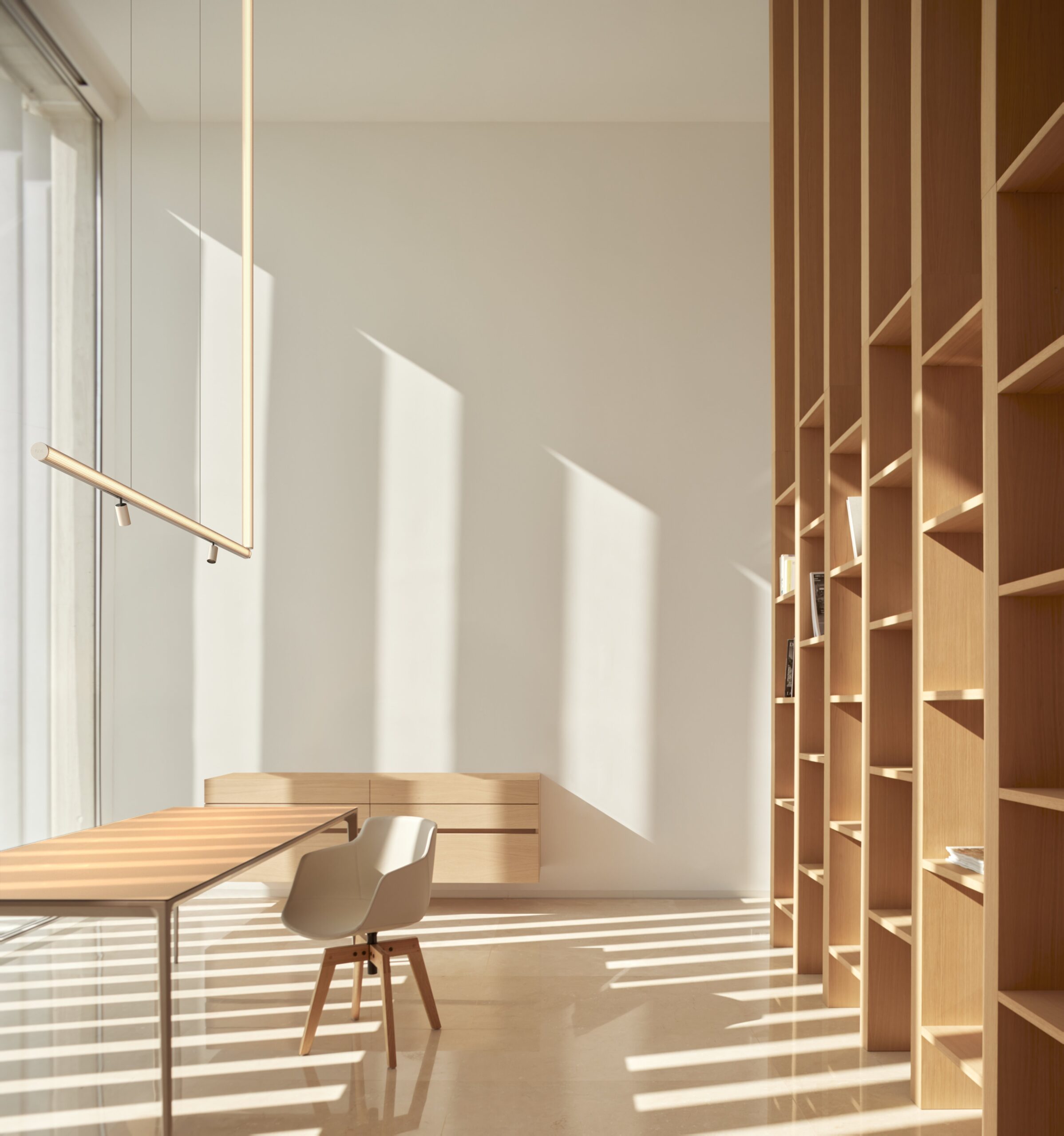
The quality of light within a space can significantly influence visual comfort, mood and performance. Poorly designed lighting may contribute to eye strain, headaches, fatigue and reduced productivity, while well-planned lighting helps people stay focused, comfortable and engaged throughout the day. Human-centric lighting creates balanced environments that support practical tasks while improving the overall user experience, using balanced illumination, reduced glare and strong colour rendering to make spaces feel more comfortable, natural and inviting. In workplaces, this can support employee wellbeing and productivity; in education, it can aid concentration and learning; and in healthcare, it can help create calmer, more reassuring spaces. Human centric lighting improves safety and visual comfort at night, and protects local ecosystems by reducing artificial light pollution in public and residential spaces.
Advances in intelligent lighting controls are making human-centric lighting easier to integrate into the built environment. Platforms such as Casambi allow lighting schemes to be adjusted, automated and managed wirelessly, helping designers create systems that respond to occupancy patterns, changing daylight conditions and the needs of the people using the space.
This flexibility allows lighting to become an active part of the building experience, supporting workplaces, healthcare, education and residential settings while improving energy efficiency, occupant comfort and overall performance.
As developers, designers and organisations increasingly prioritise sustainability and occupant wellbeing, human-centric lighting offers a practical way to create healthier, more adaptable buildings that use energy more intelligently without compromising the quality of the user experience.
Human-centric lighting represents a shift towards designing spaces around people rather than simply meeting visual requirements. By supporting natural biological rhythms, enhancing comfort and leveraging intelligent technology, it creates environments that actively contribute to health, wellbeing and performance.
GET MORE INSPIRATION
Illuminating Education: Designing Lighting Schemes for Focus, Comfort, and Well-being
Atrium and Flos Strengthen Exclusive UK Retail Partnership
Modular Lighting: A Sustainable Approach
Designing Outdoor Lighting for Dark Skies
Celebrating 50 Years: Honouring Our Past, Building Our Future in the Lighting Industry