
Lighting in hospitality should be more than just a design consideration. With the significant effect that light has on our mood, alertness, and overall sense of comfort, a thoughtfully designed lighting scheme is key to evoke emotion, drive wellness and enhance the perceived value of the environment; in turn creating a memorable and familiar experience that becomes a key part of a venue’s identity.
Designing with thoughtful and quality lighting, especially in a restaurant, hotel or spa, makes a significant difference in comfort levels. The functionality of hospitality spaces can vary, so a flexible, layered scheme allows a room to transition effortlessly: from bright and energising to soft and restorative.
• We can prioritise guests’ health and wellbeing by using a salutogenic approach to lighting design, specifically by supporting the body’s circadian rhythm.
• Mimicking Natural Cycles: Simulating the progression of natural daylight helps to regulate the body’s internal clock. This, in turn, supports sleep quality, mood, cognitive function, and overall wellbeing.
• Targeting Jet Lag: In hotel design, lighting that simulates the progression of natural daylight can support healthy sleep–wake cycles, promote recovery from jet lag, and improve energy levels.
• Guest Control: Research surrounding the circadian rhythm shows the significant impact of light on our system, proving that thoughtful lighting is not a luxury, but a necessity for guest health. Incorporating layers of ambient, task, and accent lighting allows guests to adjust their space throughout the day, fully aligning with human-centric lighting principles.
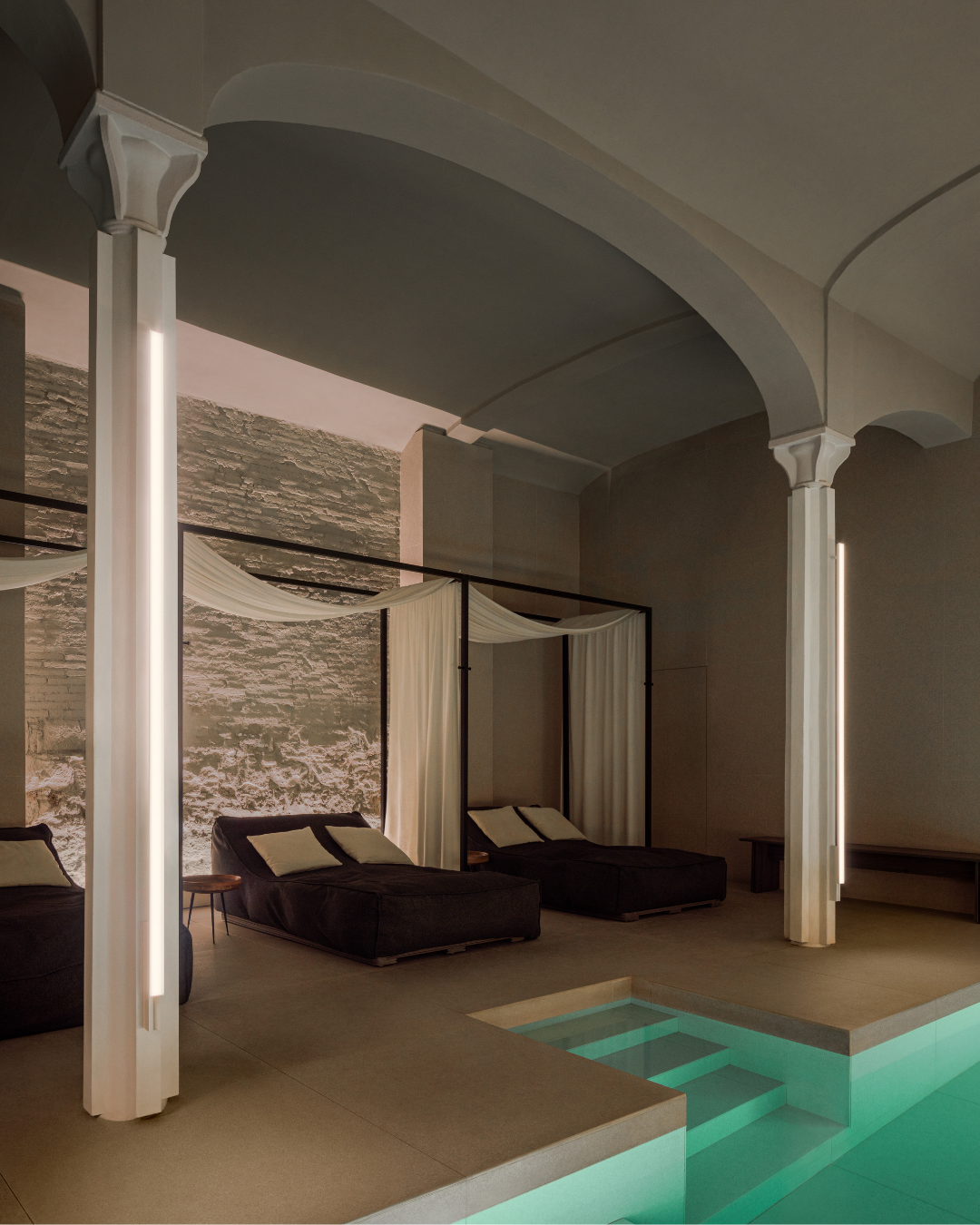
Strategic lighting design supports specific functions throughout the guest journey.
Guest Rooms: Must offer flexible, Tunable White light (e.g., cool 4000K for morning tasks, warm 2200K for rest) with full dimmability, giving guests maximum control over their sleep-wake cycles.
Lobbies: Use a welcoming Mid-range Warm White (3000K) and accent lighting to guide and orient guests.
Restaurants & Spas: Demand very Warm White light (2200K to 2700K). Low intensity and concealed fixtures promote relaxation, intimacy, and appetite, while minimizing glare.
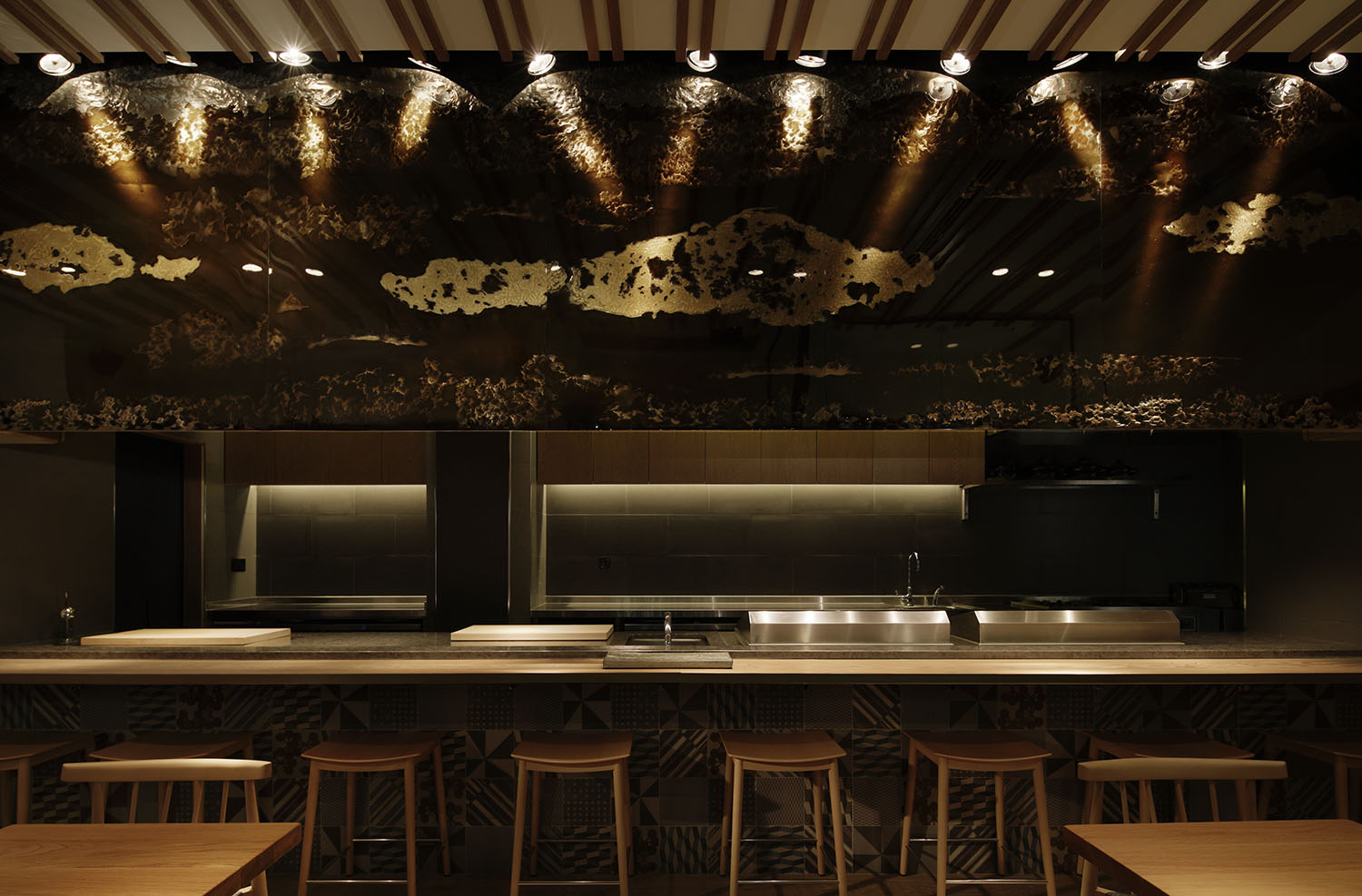
Engawa Restaurant
Adjustable lighting is critical for boosting individual health and wellness. Giving guests the ability to personalise the light in their room empowers them to support their mood or sleep cycle.
Beyond dimming, lighting control systems, such as occupancy sensors and programmable schedules—create an intuitive environment that responds to guest movement, while also providing crucial energy efficiency and safety benefits.
Thoughtful lighting design is increasingly essential in a hospitality space. Incorporating adjustable lighting helps enhance human-centric principles, supports the circadian rhythm and helps hospitality spaces become restorative spaces that nurture physical and mental wellbeing. Therapeutic lighting, near infrared and intuitive lighting control systems, elevate this experience. Approaching lighting design with intention, gives it the power to transform an atmosphere and become a place of restoration.
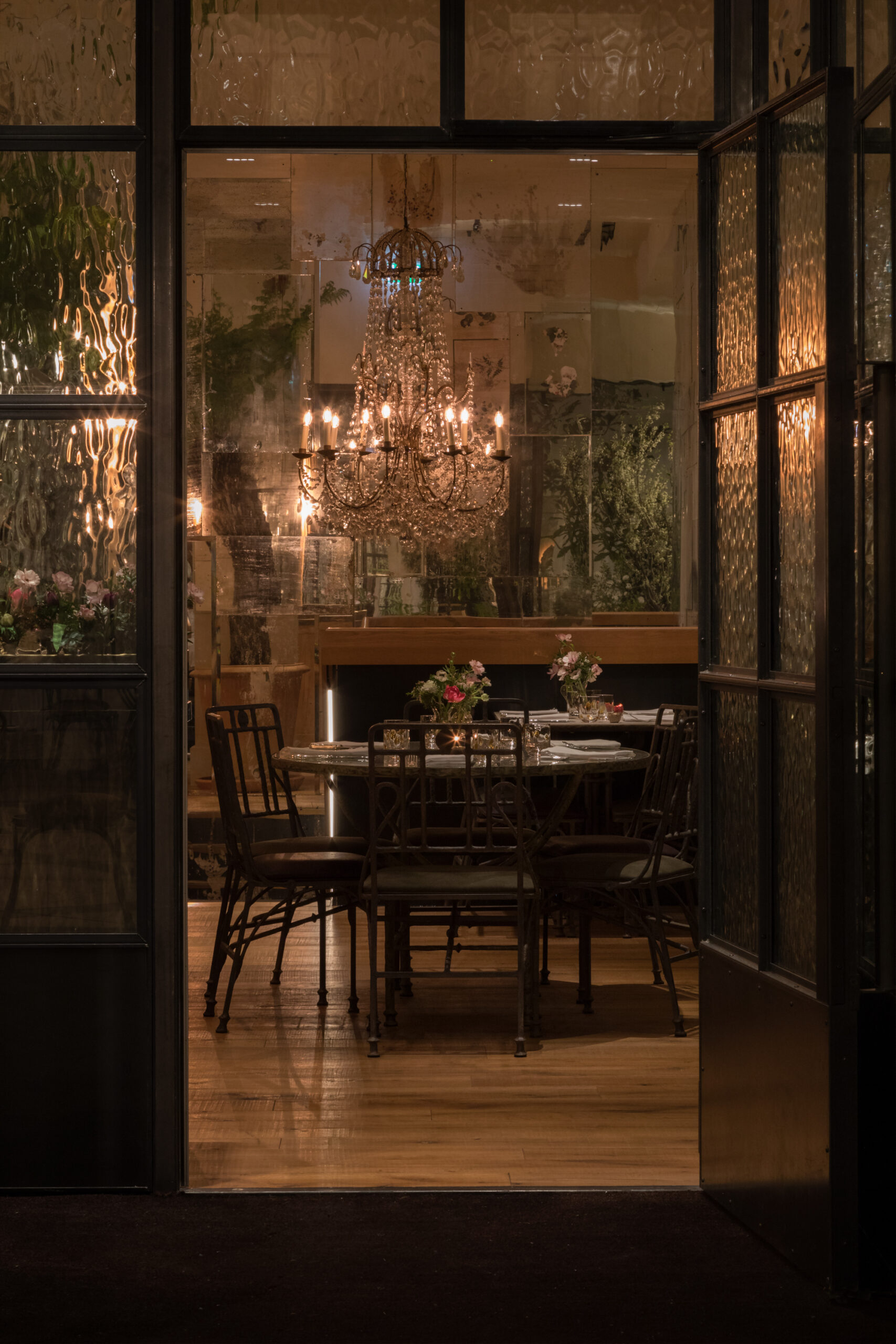
The Petersham
GET MORE INSPIRATION
Illuminating Education: Designing Lighting Schemes for Focus, Comfort, and Well-being
Atrium and Flos Strengthen Exclusive UK Retail Partnership
Modular Lighting: A Sustainable Approach
Designing Outdoor Lighting for Dark Skies