
Carelessness with our planet is catching up with us.
As we battle the effects of climate change, the issue of light polluting our night skies arrives firmly on the growing agenda for change.
The science of Scotobiology (scoto from the Greek for dark) studies the biology of darkness, including the effects of obscurity on the behaviour and metabolism of animals, plants, and microbes. This study is not new. For over a century, it has laid the foundation for understanding the importance of night skies not only for humans but for all organic species. We already know that light is essential for many biological activities such as sight and photosynthesis. But the presence of uninterrupted periods of darkness is just as crucial.
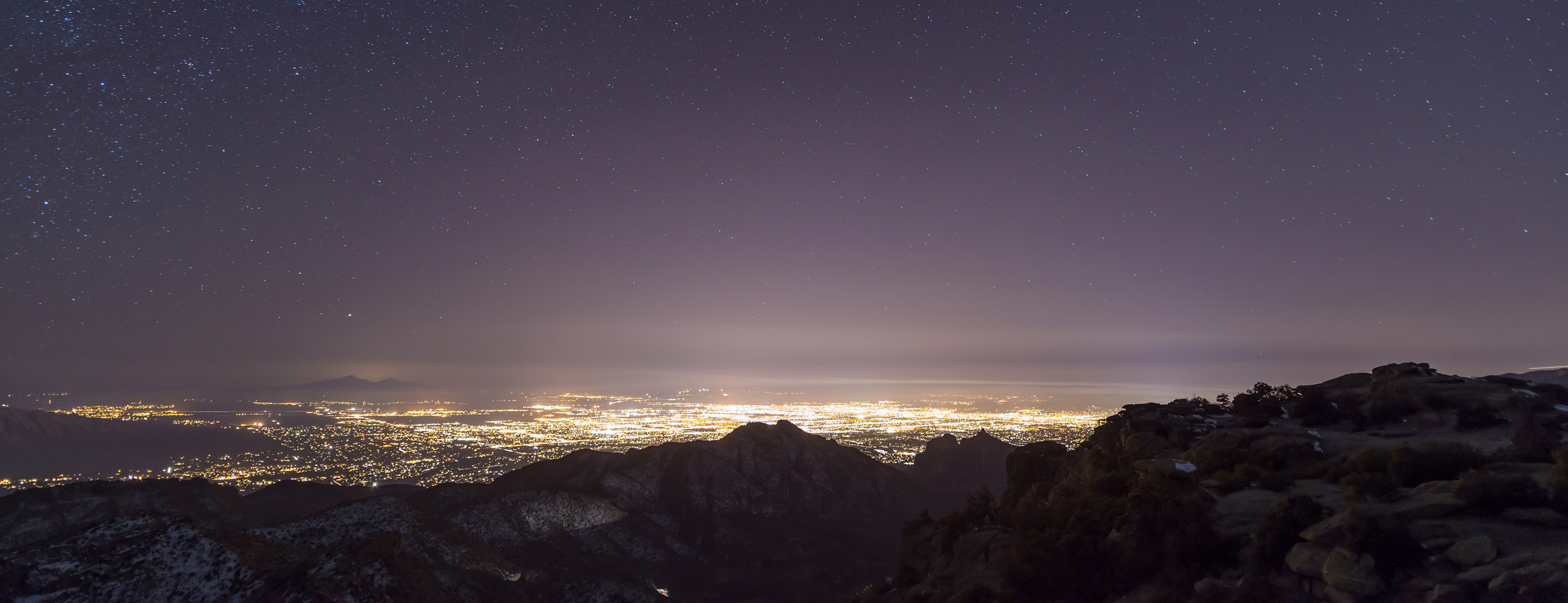
The spread of artificial light from towns and cities is estimated to have increased by around 2% each year between 2016 and 2018. This means that most of us no longer experience truly dark nights.
Recent research suggests that artificial light at night can negatively affect our health, increasing the risks of obesity, depression, sleep disorder, diabetes and even some forms of cancer.
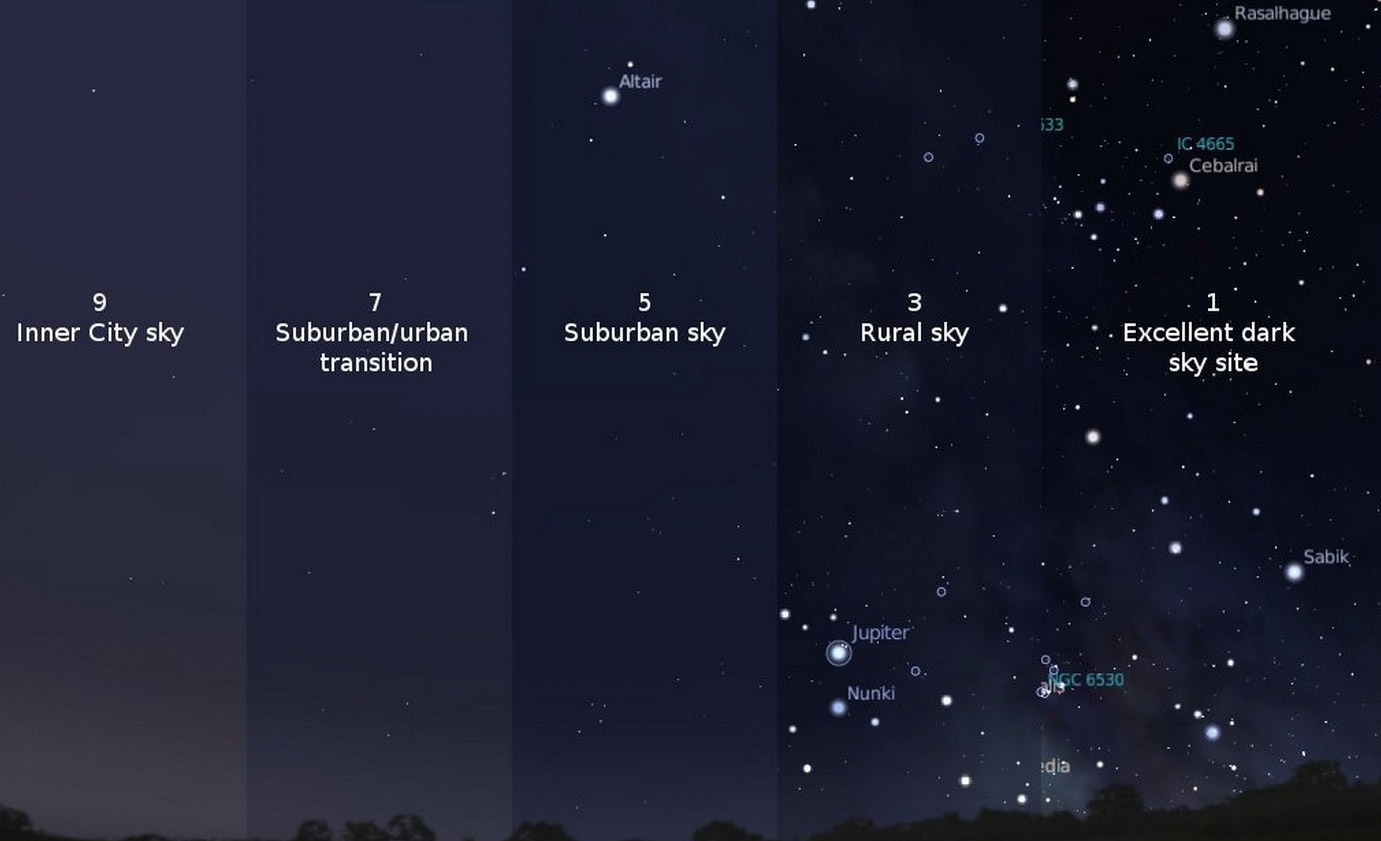
The Bortle scale measures the night sky’s brightness at a particular location. Class 1 is the darkest sky on Earth and Class 9 shows what the sky looks like from the inner city. Image | Courtesy of the International Dark-Sky Association
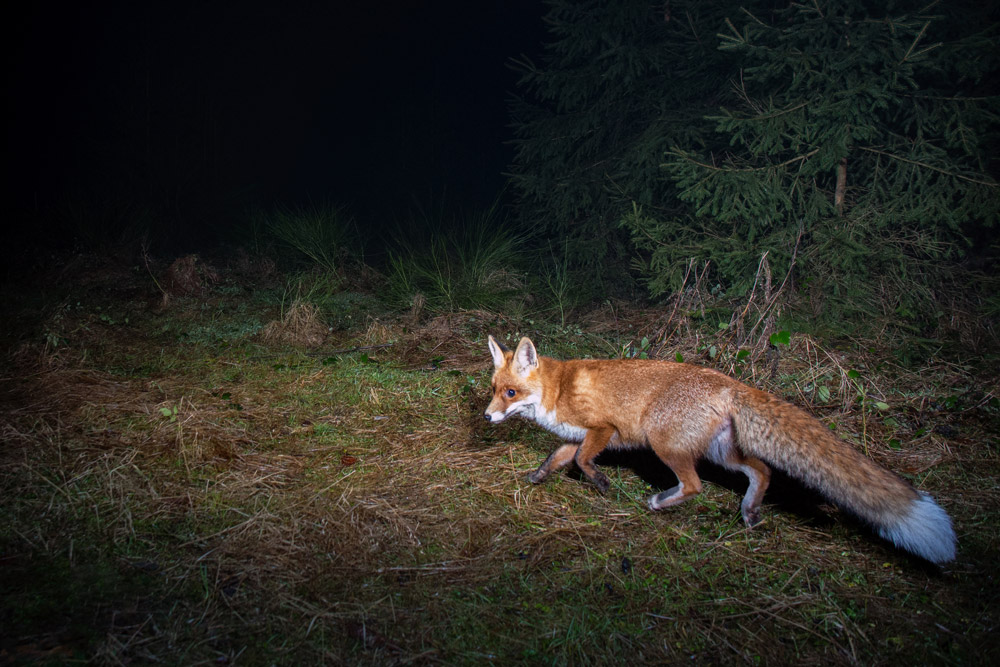
Nocturnal animals, drawn by artificial light in our brightening night time world, can find their lives in peril and their habits disrupted. Fledgling birds may collide with human structures on the ground and become more vulnerable to predation. Bats, foxes and owls all need darkness to hunt and thrive but excessive light at night disrupts animal sleep patterns and damages fragile ecosystems. For many species, increasing light pollution has been described as a bulldozer steadily destroying their lives.

The UK Parliament has set up the All Party Group for Dark Skies to explore ways of updating the existing legal framework, strengthen the National Policy Planning Framework and, for the first time, will make extensive and specific reference to the control of obtrusive light.
The planning permission process will incorporate new regulations for exterior lighting similar to those currently covering advertising. Statutory Nuisance Provisions will also be strengthened, giving local authorities more effective methods of preventing nuisance lighting. Following the footsteps of other countries, there is a plan to overhaul the rules applicable to outdoor lighting and internal light spill to prevent, limit and reduce light pollution. At the same time, a statutory Commission for Dark Skies will be created with powers to punish non-compliance, establish legal limits for blue light levels and encourage manufacturers, distributors and installers to adopt best practices.

This diagram illustrates typical causes of light spill that contribute to the pollution of our night skies.
Standards will be set for the direction and density of light and there will be a legal requirement for all lighting units to carry instructions for the control of obtrusive light. A national programme of best practice – Dark Sky Hours – will be introduced in consultation with communities, lighting professionals and local police forces, describing categories of light that may be dimmed or switched off completely during the night.
New initiatives at every level of government that will create incentives for dark sky preservation, will be led by a dedicated Minister for Dark Skies whose responsibilities will include oversight, planning and relevant environmental policy. A Dark Sky Towns & Cities initiative is also planned, giving local government the power to reduce pollution further by creating a voluntary Dark Sky Town/City classification. Education will become a central pillar.
GET MORE INSPIRATION
Illuminating Education: Designing Lighting Schemes for Focus, Comfort, and Well-being
Atrium and Flos Strengthen Exclusive UK Retail Partnership
Modular Lighting: A Sustainable Approach
Designing Outdoor Lighting for Dark Skies