
In the modern urban landscape, outdoor lighting does more than simply illuminate; it shapes how we feel, how we move, and how we connect with our surroundings. When thoughtfully designed, lighting has the power to enhance beauty, provide safety, support well-being, and foster social interaction in public places. This is the heart of salutogenic design, a concept that focuses on environments that promote human health and well-being.
At the core of salutogenic lighting design lies a blend of aesthetics, function, and material integrity.
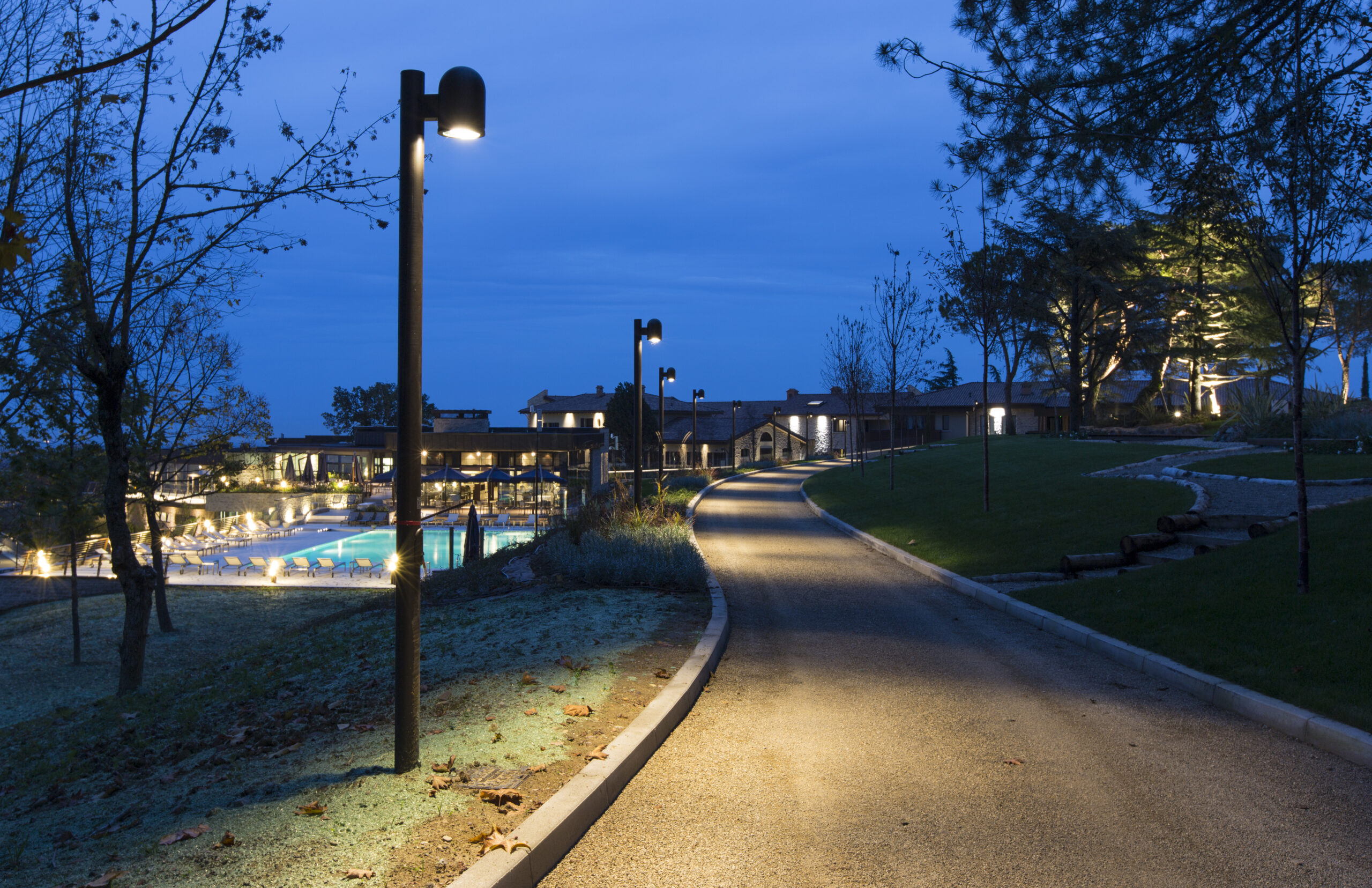
A crucial part of salutogenic and sustainable lighting design is respecting the natural night environment. Light pollution, excessive or misdirected artificial light, can disrupt ecosystems, obscure the night sky, and negatively impact human circadian rhythms.
Public lighting should aim to minimise skyglow, glare, and light trespass through careful planning and fixture selection:

Beyond design, the technical specifications and materials of lighting fixtures are crucial in outdoor settings:
Salutogenic design champions environments that reduce stress, foster social interaction, and support physical and emotional well-being. Lighting contributes to this by:
By integrating these principles, public lighting becomes more than a utility; it becomes a tool for human flourishing.
Whether you’re illuminating a cultural landmark or revitalising a city square, thoughtful lighting is key to making public spaces truly come alive after dark.
GET MORE INSPIRATION
Illuminating Education: Designing Lighting Schemes for Focus, Comfort, and Well-being
Atrium and Flos Strengthen Exclusive UK Retail Partnership
Modular Lighting: A Sustainable Approach
Designing Outdoor Lighting for Dark Skies