
This week is Daylight Awareness Week, the perfect time to reflect on the impact of natural light on our health, wellbeing and productivity. As daylight decreases significantly through the winter months, these seasonal shifts can affect the way we experience and thrive in the spaces we inhabit. So how can we use Human Centric Lighting strategies to boost the positive effects of artificial light as natural daylight declines?
Colour temperature, measured in Kelvin (K), describes how warm or cool white light appears. The tone of light in a space can affect our physical and mental wellbeing in different ways, depending on the time of day and how the space is used.
Overall, the role colour temperature plays in shaping mood and perception should be considered early in the design process, to ensure spaces can enhance wellbeing all year round.
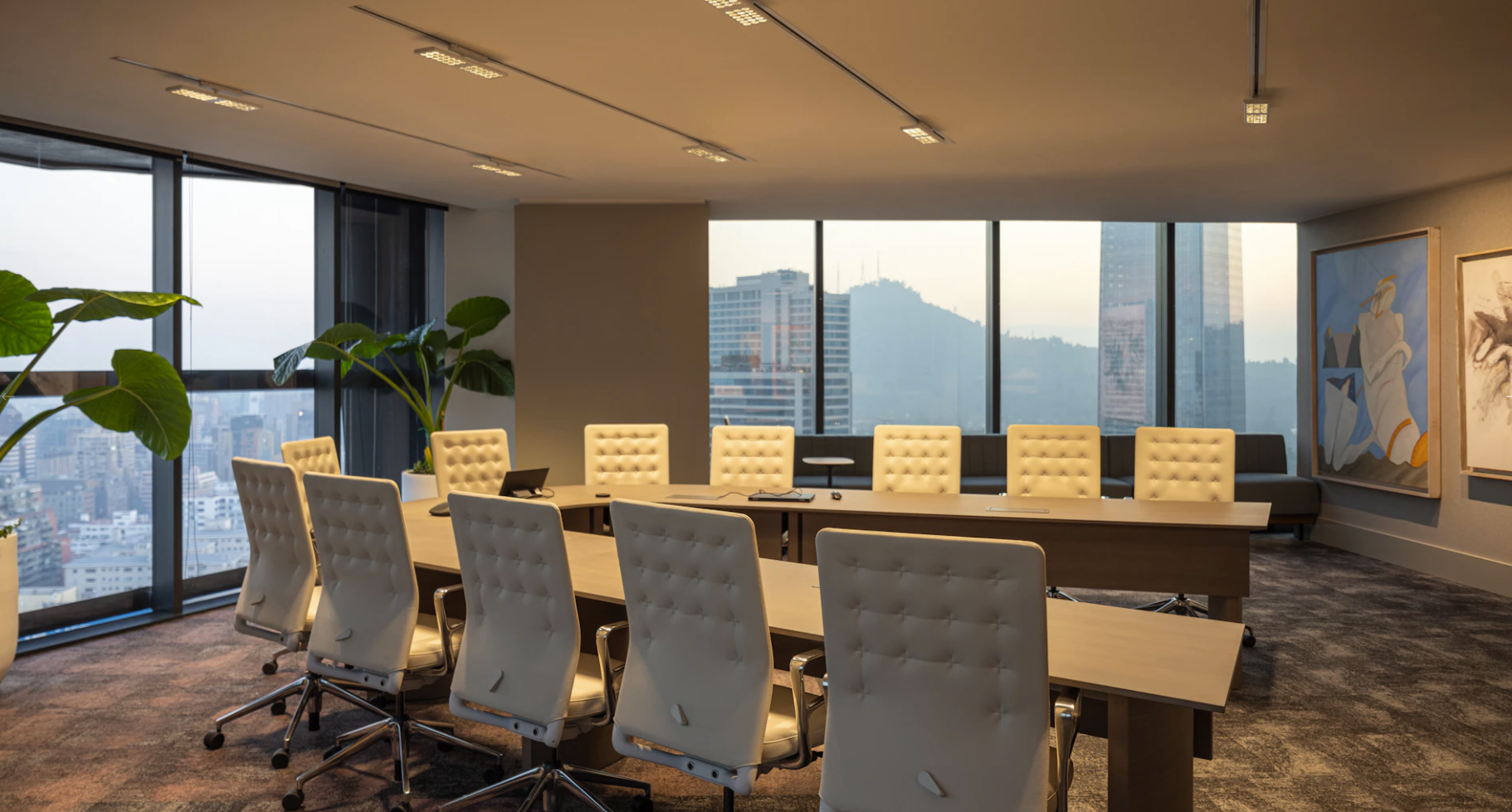
While artificial lighting cannot fully replicate the beneficial qualities of natural light, modern lighting techniques can help bridge the gap, maintaining comfort, productivity and wellbeing through the darker winter months. Strategies include:
As natural light levels change through the year, a well-designed lighting scheme plays a vital role in supporting wellbeing, comfort and productivity. Daylight Awareness Week is a reminder of the importance of balancing natural and artificial light to create spaces that respond to users’ needs year-round. Whether you are enhancing a new development or improving an existing space, working with a lighting designer can help deliver a more effective, comfortable and sustainable environment.
GET MORE INSPIRATION
Illuminating Education: Designing Lighting Schemes for Focus, Comfort, and Well-being
Atrium and Flos Strengthen Exclusive UK Retail Partnership
Modular Lighting: A Sustainable Approach
Designing Outdoor Lighting for Dark Skies