
Article
Illuminating Education: Designing Lighting Schemes for Focus, Comfort, and Well-being
From supporting productivity in workplaces to creating comfort and relaxation at home, lighting plays a fundamental role in how we experience spaces. Modern lighting controls are transforming lighting design, enabling spaces to adapt to changing needs, activities, and occupancy levels while improving efficiency and comfort.
This month, we sat down with Josh Yard, Casambi brand manager to discuss the growing role of intelligent lighting controls and human-centric lighting in modern projects. We asked Josh to share his insights, experiences, and advice on successfully incorporating these technologies into lighting schemes.
Human-centric lighting is designed to work in harmony with the body’s natural circadian rhythm, helping us maintain healthy sleep and energy patterns. In today’s world, many people spend the majority of their day indoors, often with limited access to natural daylight. This can disrupt the body’s internal clock and negatively affect mood, alertness, and sleep quality.
Key benefits include:
By replicating the natural progression of daylight, lighting designers can create spaces that better support the body’s biological needs, helping occupants feel more energised during the day and more comfortable in the evening.
How is demand for human centric lighting evolving across projects?
Designs are being led towards a more human-centric approach. We spend a lot of time in these spaces, in restaurants, bars, third spaces and our homes, so we are becoming more aware of how lighting can have such a major effect on our physical and mental health and our wellbeing.
In your experience, what control strategies are most effective for supporting circadian friendly lighting?
There are a range of control systems, including Casambi, that can create an adjustable, adaptable lighting scheme based on natural daylight and lux levels. These systems are intelligent enough to change light levels based on their environment.
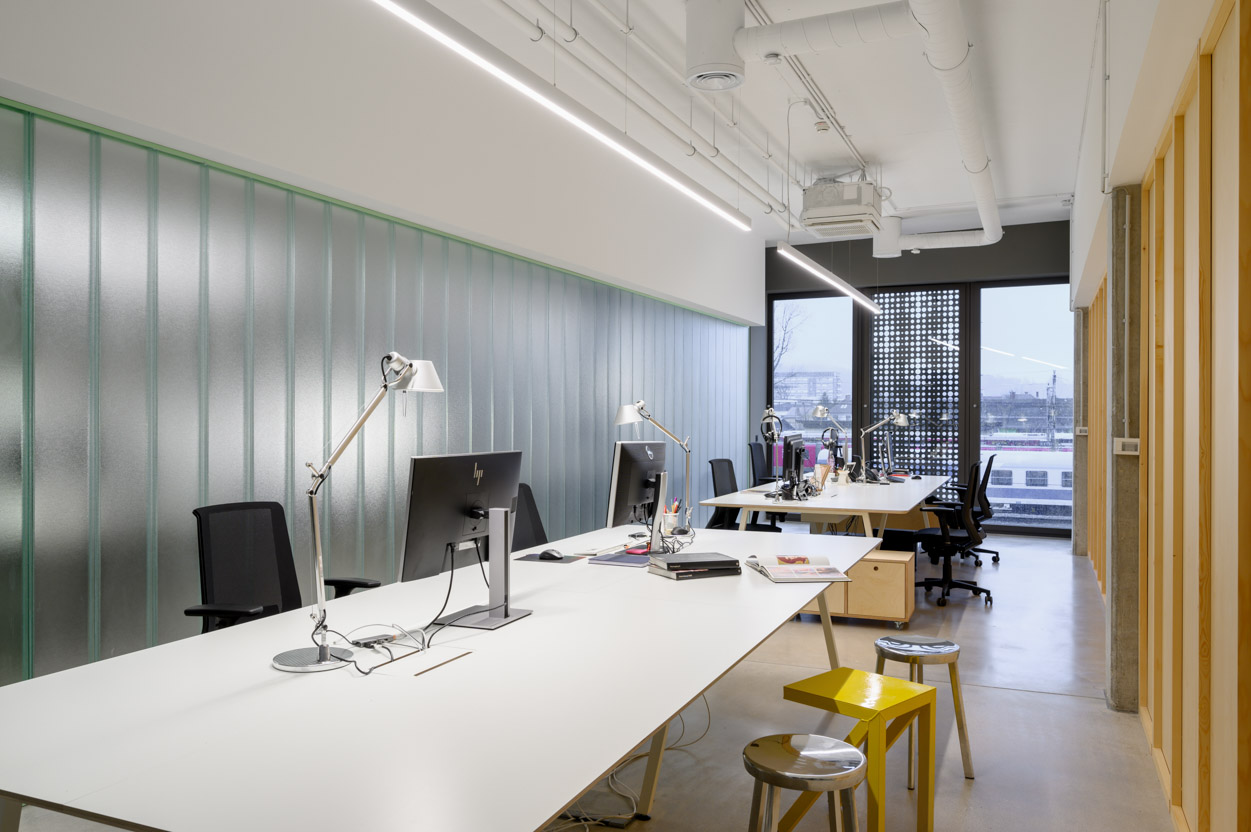
Advances in intelligent lighting controls have made human-centric lighting more accessible in design. Modern lighting systems can dynamically adjust colour temperature and light levels throughout the day, creating environments that respond to the needs of the people inhabiting the space. This flexibility allows lighting to become an active part of the overall building experience rather than simply a functional requirement.
Key advantages include:
As organisations increasingly prioritise sustainability and occupant wellbeing, human-centric lighting offers a solution that addresses both objectives. Well-designed systems can help reduce energy consumption while creating healthier and more adaptable spaces for users.
What are the most common pitfalls when implementing lighting controls, and how can designers avoid them?
The biggest mistake is specifying low-quality luminaires that lack the performance or colour consistency required for human-centric lighting. Another common issue is over-complicating the user experience, if a control system isn’t intuitive, occupants won’t use it effectively. We always advise keeping the interface simple, opting for automated daylight balancing, and choosing reliable, high-performance fittings from the outset.
What’s the most surprising benefit customers report after implementing controls that they weren’t expecting or at the start of the project?
Most people comment on how easy Casambi control systems are to use. End users appreciate that there is so little manual control required; once the system has been installed, it works effectively towards their needs.
How do you see smart lighting controls influencing occupant wellbeing?
What we are looking for in the future, is an intelligent system that works as a solution, programmed by humans for humans.
Human-centric lighting represents a major shift towards designing spaces around people rather than simply meeting technical requirements. By supporting natural biological rhythms, enhancing comfort, and leveraging intelligent technology, we can create environments that actively contribute to health, wellbeing, and performance.
Interested in exploring intelligent control systems or circadian lighting solutions for your next project? get in touch with our team today.
GET MORE INSPIRATION
Illuminating Education: Designing Lighting Schemes for Focus, Comfort, and Well-being
Atrium and Flos Strengthen Exclusive UK Retail Partnership
Modular Lighting: A Sustainable Approach
Designing Outdoor Lighting for Dark Skies
Celebrating 50 Years: Honouring Our Past, Building Our Future in the Lighting Industry
From Ronchamp to the Digital Age: A Reflection on 50 Years of Light