Skip to content

+44 (0)20 7681 9933

Atrium Logo 2021
  • Atrium
    • The Company
  • Brands
    • Casambi
    • Cooledge
    • Flexxica
    • Flos
    • Fluxwerx
    • Intra Lighting
    • Lumenpulse
    • Sattler
    • Vibia
  • Projects
  • Products
  • Journal
  • Learning
    • CPD
    • Book your Discovery Tour
  • Team
  • Careers
  • Contact us
The Psychology of Artificial Lighting: Designing Spaces That Support Wellbeing
12 May 2026
Home    >   Journal
Article   >
The Psychology of Artificial Lighting: Designing Spaces That Support Wellbeing

For most of human history, our days were shaped by the natural cycle of sunlight, but modern life has changed that completely. Today, we spend almost 90% of our time indoors, surrounded by artificial lighting at home, at work, and public spaces.

We often overlook the vital role light plays in our mood and wellbeing. Lighting design shapes the atmosphere of hospitality, retail and leisure spaces; creating an environment that can influence our mood and behavior. As our relationship with light continues to change, thoughtful lighting design is increasingly important.

This week we are reflecting on International Day of Light along with Mental Health Awareness Week and the effects lighting has on our emotions.

The Impact of Warm Lighting

Often characterised by soft, yellow or orange hues, warm lighting, is associated with comfort and relaxation. It is commonly used in settings such as living rooms, bedrooms and cosy hospitality spaces to create a welcoming and calming atmosphere. Here’s how warm lighting can affect our emotions:

  • Comfort and Relaxation: Warm lighting mimics the warm glow of natural sunlight during sunset, helping us unwind towards the end of the day. It is known to promote relaxation and reduce stress levels.
  • Social Spaces: Warm lighting can also enhance social interactions; encouraging conversation and creating a more inviting atmosphere.
  • Mood Enhancement: It can positively impact our mood, promoting feelings of happiness and comfortability.


The Impact of Cool Lighting

Cool lighting, on the other hand, is characterised by blue or white hues and is commonly associated with productivity and alertness. It is often used in workplaces, hospitals, and educational institutions to foster concentration and focus. Some of the psychological effects of cool lighting can include:
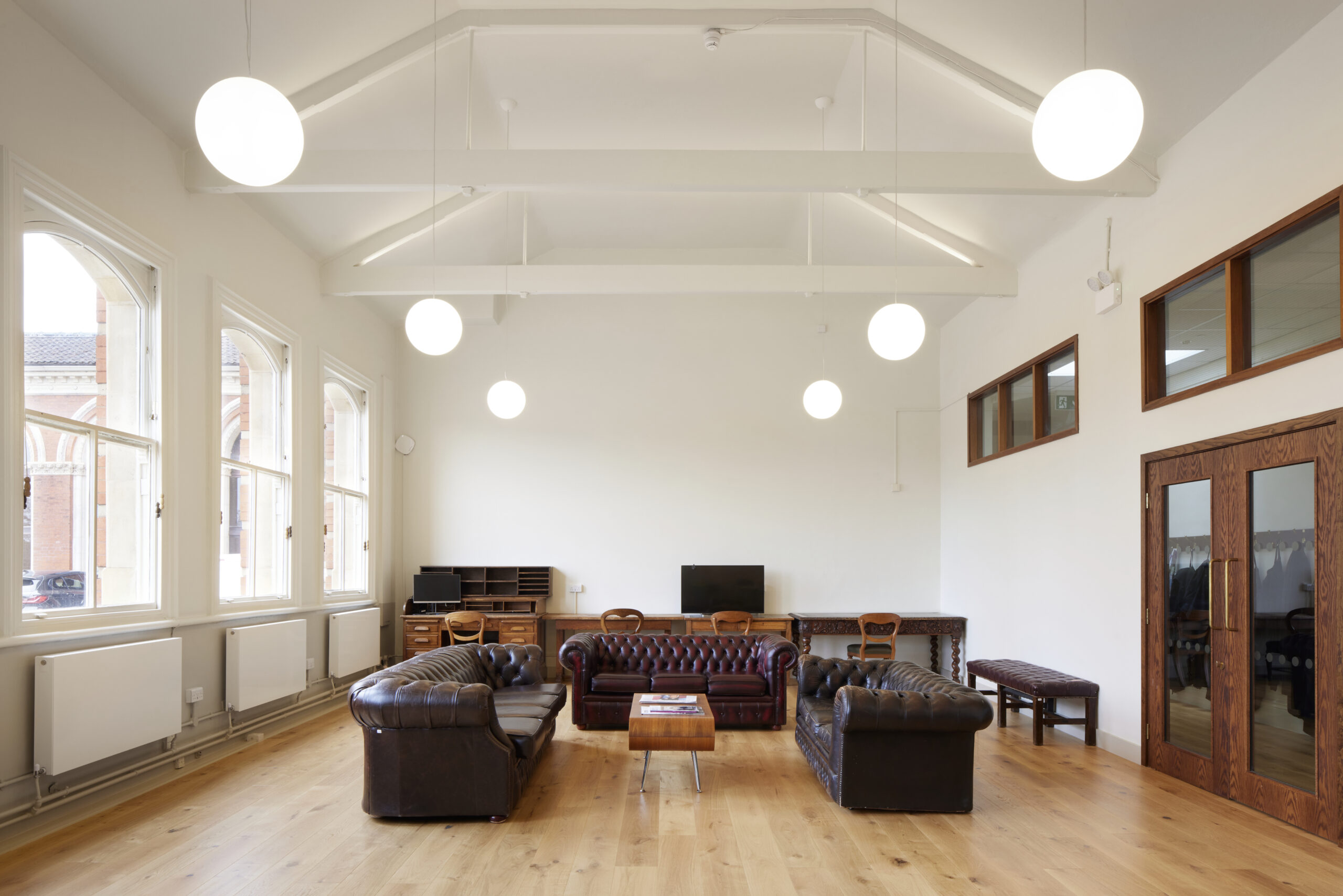
  • Alertness: Cool lighting can boost energy levels and alertness. Simulating the natural light conditions of midday, it can be particularly effective in settings where people need to stay awake and alert.
  • Concentration: Cool lighting helps reduce fatigue and increase mental clarity, enhancing cognitive performance. This makes it a suitable option for work and study spaces.
  • Emotional Distance: In some cases, cool lighting may not be ideal for spaces where warmth and emotional connection are essential, as it may induce a sterile or clinical atmosphere.
Balanced Lighting

How Artificial Light at Night Harms Mental Health

Perhaps the most overlooked aspect of modern lighting is what happens after dark. Artificial light at night, particularly the blue light emitted by screens, directly interferes with melatonin production, our body’s natural sleep hormone. The knock-on effects go far beyond simply feeling tired:

  • Poor sleep is directly linked to increased anxiety, depression and irritability.
  • Prolonged blue light exposure before bed delays the body clock, making it harder to fall and stay asleep.
  • Over-illuminated homes, offices and street environments extend unnatural light exposure deep into the evening.
  • Near-complete darkness at night is essential for proper physiological recovery.


Lighting, Focus and Cognitive Performance

Beyond mood and sleep, lighting has a measurable impact on how well we think and work. Poor lighting causes eye strain, headaches and fatigue, all of which erode concentration over time.

Well-designed lighting, by contrast, supports visual comfort and sustained focus. Natural daylight remains the gold standard: access to daylight at work has been shown to improve productivity, regulate circadian rhythms and support healthier daily routines.

Effective lighting design isn’t simply about brightness, it’s about layering. A considered combination of ambient, task and accent lighting creates environments that remain both functional and comfortable across different times of day and types of activity.


Designing for Wellbeing: Practical Solutions

The good news is that lighting design has evolved considerably. Adaptive, human-centered approaches can meaningfully close the gap between how we light our spaces and what our bodies actually need.
High-impact strategies include:

  • Tunable lighting systems: automatically shift colour temperature from cool and energising in the morning to warm and restful by evening.
  • Smart dimming controls: adjust light intensity based on the time of day, activity and available natural light.
  • Circadian lighting design: align artificial light cycles more closely with biological rhythms, supporting sleep, mood and performance throughout the day

When applied with intention, these solutions need not compromise on aesthetics as they enhance spaces that feel more human, more balanced and more attuned to the people using them.


Conclusion

Light shapes every environment we inhabit, and every moment we spend within it. As we reflect this week on both the science of light and the importance of mental health, there is a clear message for designers, specifiers and businesses alike: the spaces we create have a direct impact on how people feel inside them.

Investing in thoughtful, human-centered lighting isn’t just good design. It’s good for people.
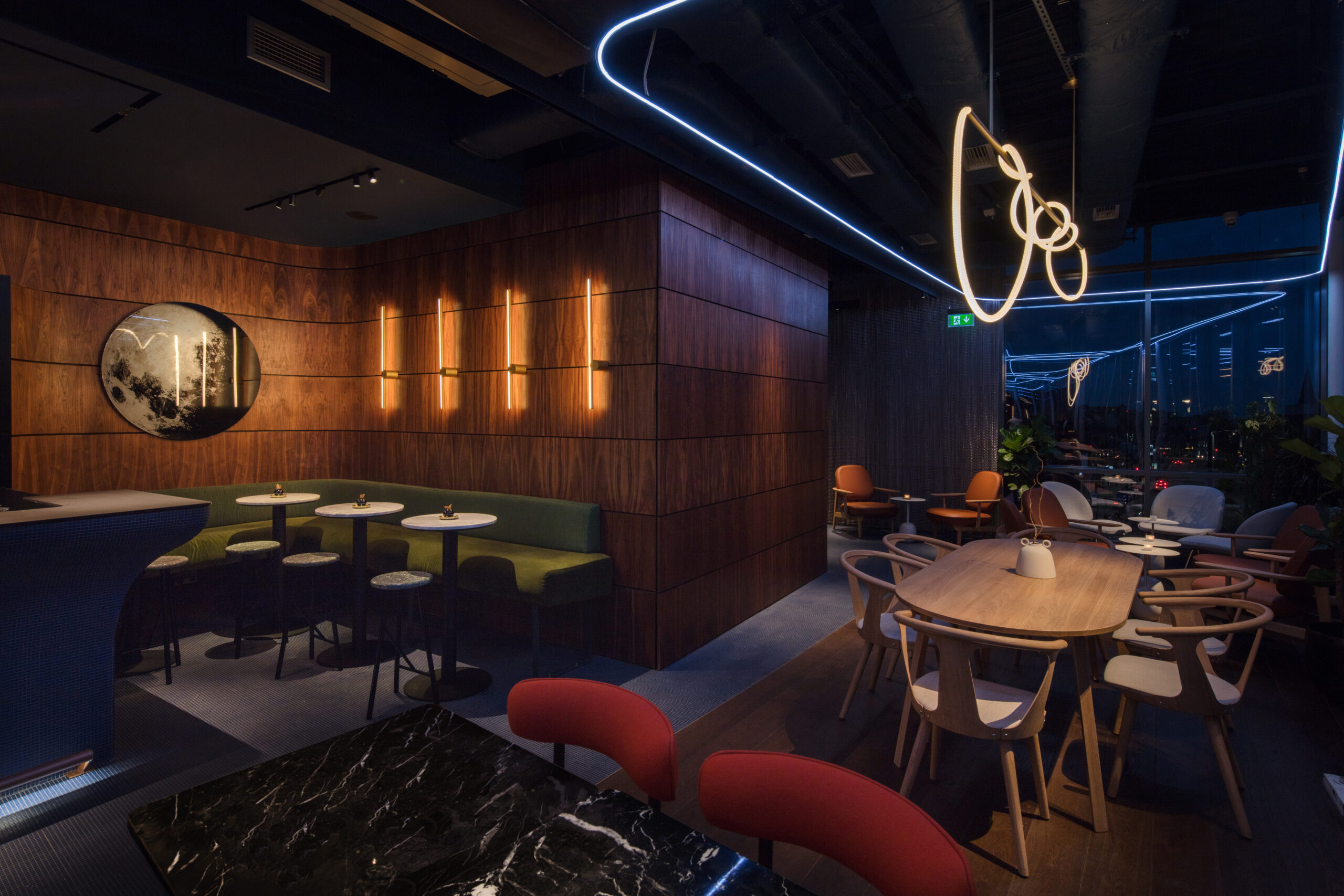
M'Arks Skybar

GET MORE INSPIRATION

Explore more similar articles from our Journal

Article

Acoustic Lighting: Enhancing Workplace Well-Being Through Light and Sound

  • 7 October 2026
Article

Casambi : Lighting Control and Human-Centric Lighting

  • 22 September 2026
Article

Illuminating Education: Designing Lighting Schemes for Focus, Comfort, and Well-being

With the decrease in daylight hours in the coming…
  • 17 September 2026
Article

Designing for Wellbeing: Human-Centric Lighting

  • 21 August 2026
News | Article

Atrium and Flos Strengthen Exclusive UK Retail Partnership

Atrium, the UK’s largest independent lighting spec…
  • 8 July 2026
Article

How Light Shapes the Spaces We Live In

  • 2 July 2026
Article

Modular Lighting: A Sustainable Approach

As sustainability becomes a key priority in design…
  • 2 June 2026
Article

Designing Outdoor Lighting for Dark Skies

Natural dark skies play a vital role in maintainin…
  • 14 April 2026
Article | Events

Celebrating 50 Years: Honouring Our Past, Building Our Future in the Lighting Industry

When I joined Atrium in 1990, the workplace looked…
  • 2 April 2026

ABOUT ATRIUM

The Company
The Team
Careers
CPD Programme
Contact Us
Privacy Policy
Cookie Policy
Modern Slavery Policy
Terms & Conditions

BRANDS

Casambi
Cooledge
Flexxica
Flos
Fluxwerx
Intra Lighting
Lumenpulse
Sattler
Vibia

PRODUCT CATEGORIES

Downlights
Floor Lights
LED Surfaces
Linear & Systems
Outdoor
Spotlights | Track Lights
Suspensions
Table Lights
Wall / Ceiling Lights

SUBSCRIBE
Join our newsletter and stay up to date with Atrium

LONDON: +44 (0)20 7681 9933 • sales@atrium.ltd.uk | EDINBURGH: +44 (0)131 5530269 • scotland@atrium.ltd.uk
Linkedin Instagram Pinterest Facebook X-twitter Youtube
Copyright © 2026 Atrium Ltd

This site is protected by reCAPTCHA, for which the Google Privacy Policy and Terms of Service apply.

We use cookies to ensure that we give you the best experience on our website. If you continue to explore our site you agree to our use of cookies and our updated Privacy Policy.

I ACCEPT
PRIVACY POLICY