
In the design of schools, colleges, and universities, lighting is often treated as a technical requirement. Yet for architects focused on creating environments that support learning and well-being, lighting should be considered a strategic design tool. It influences not only visibility, but also mood, cognitive function, and emotional balance.
Modern educational architecture increasingly embraces salutogenic design—a health-oriented approach that prioritises the conditions which promote wellness, rather than merely preventing illness. Within this framework, lighting plays a vital role in shaping spaces that help students flourish.
Numerous studies have shown that exposure to natural daylight improves academic performance, particularly in reading and mathematics. Daylight helps regulate circadian rhythms, which in turn affect sleep quality, alertness, and emotional stability—key factors in student success.
Artificial lighting, when thoughtfully designed, complements these benefits by maintaining consistent light levels and supporting visual comfort throughout the day. Systems that mimic the natural progression of daylight—such as tunable white LEDs—can help pupils stay focused during lessons and unwind during quieter activities.
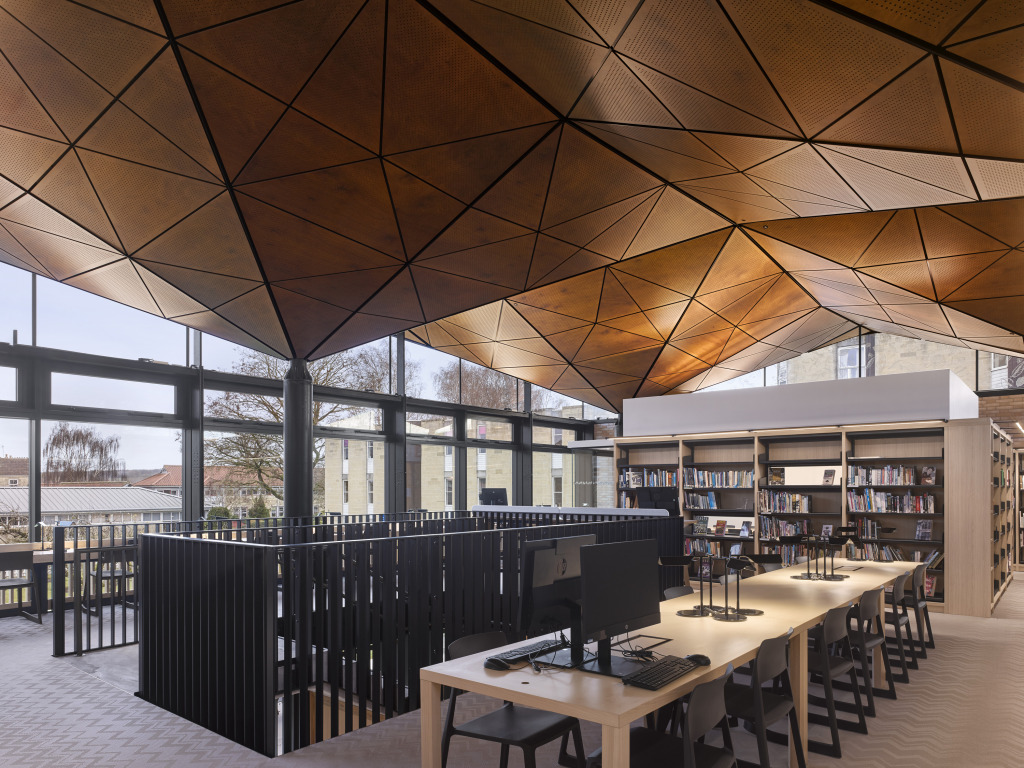
St Mary's Library
Salutogenic design encourages architects to go beyond aesthetics and functionality. It asks: Does this space support health? Does it reduce stress? Does it help people feel in control and connected?
Lighting contributes to these goals in several ways. Well-lit, visually coherent spaces help students feel oriented and safe. Glare-free environments reduce sensory stress, especially for neurodiverse learners. And lighting that adapts to different activities—whether collaborative group work or quiet reading—supports meaningful engagement.
Rather than relying on uniform lighting schemes, architects are now designing layered lighting environments that respond to the diverse needs of students and educators. This includes maximising daylight through strategic building orientation and window placement, using indirect lighting to soften harsh contrasts, and integrating smart controls that allow users to adjust light levels based on preference and task.
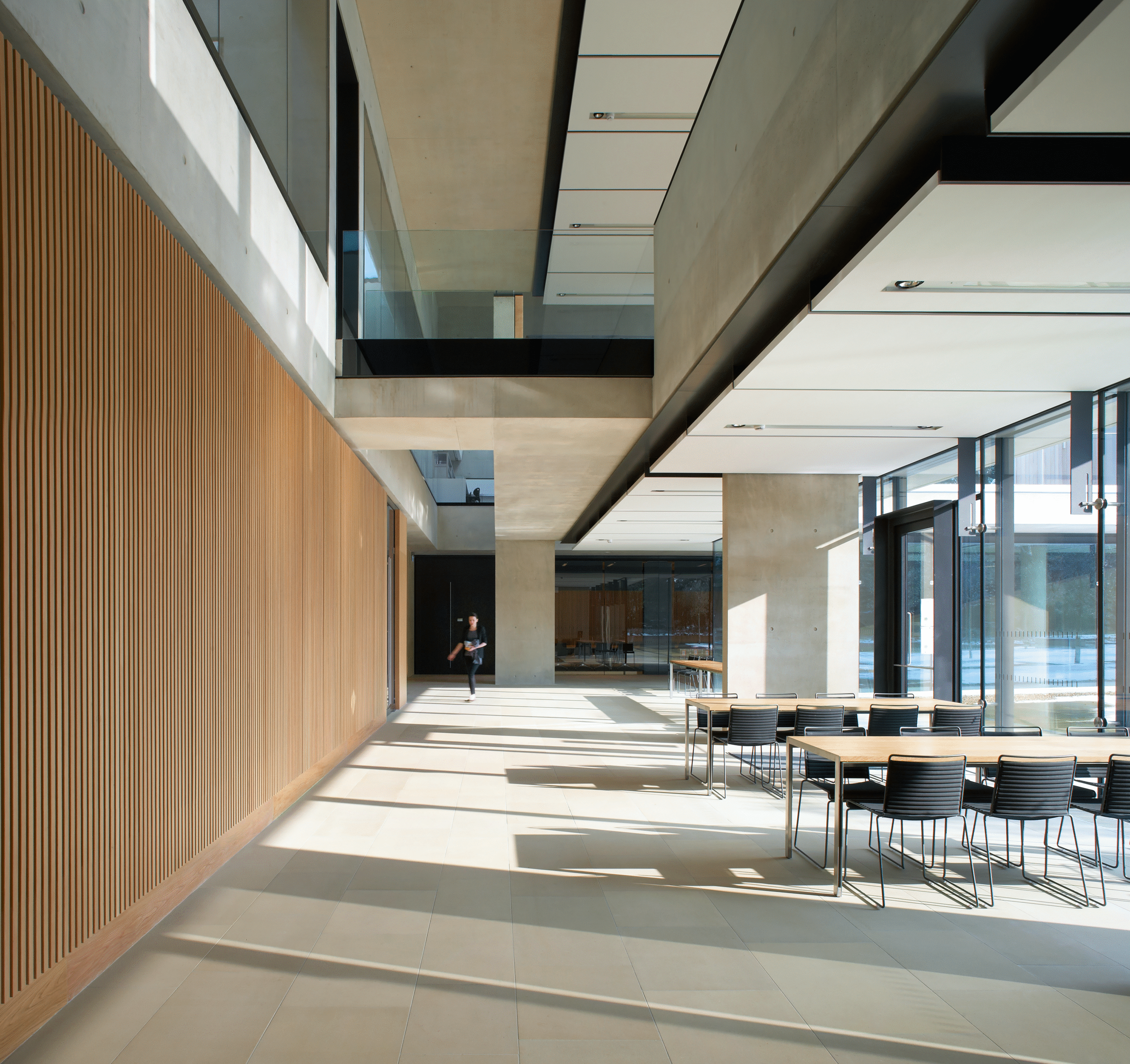
SW Sainsbury Laboratory
Lighting design in schools is also a key driver of sustainability. Energy-efficient systems, daylight harvesting, and motion sensors reduce operational costs and environmental impact. But when paired with salutogenic principles, these systems do more than save energy—they actively contribute to healthier learning environments.
Libraries, corridors, dining areas, and outdoor spaces all benefit from lighting tailored to their function. A library might use focused task lighting to support concentration, while a corridor might feature calming, evenly distributed light to ease transitions between lessons. Outdoor learning areas can incorporate shaded zones and filtered daylight to encourage movement and connection with nature.
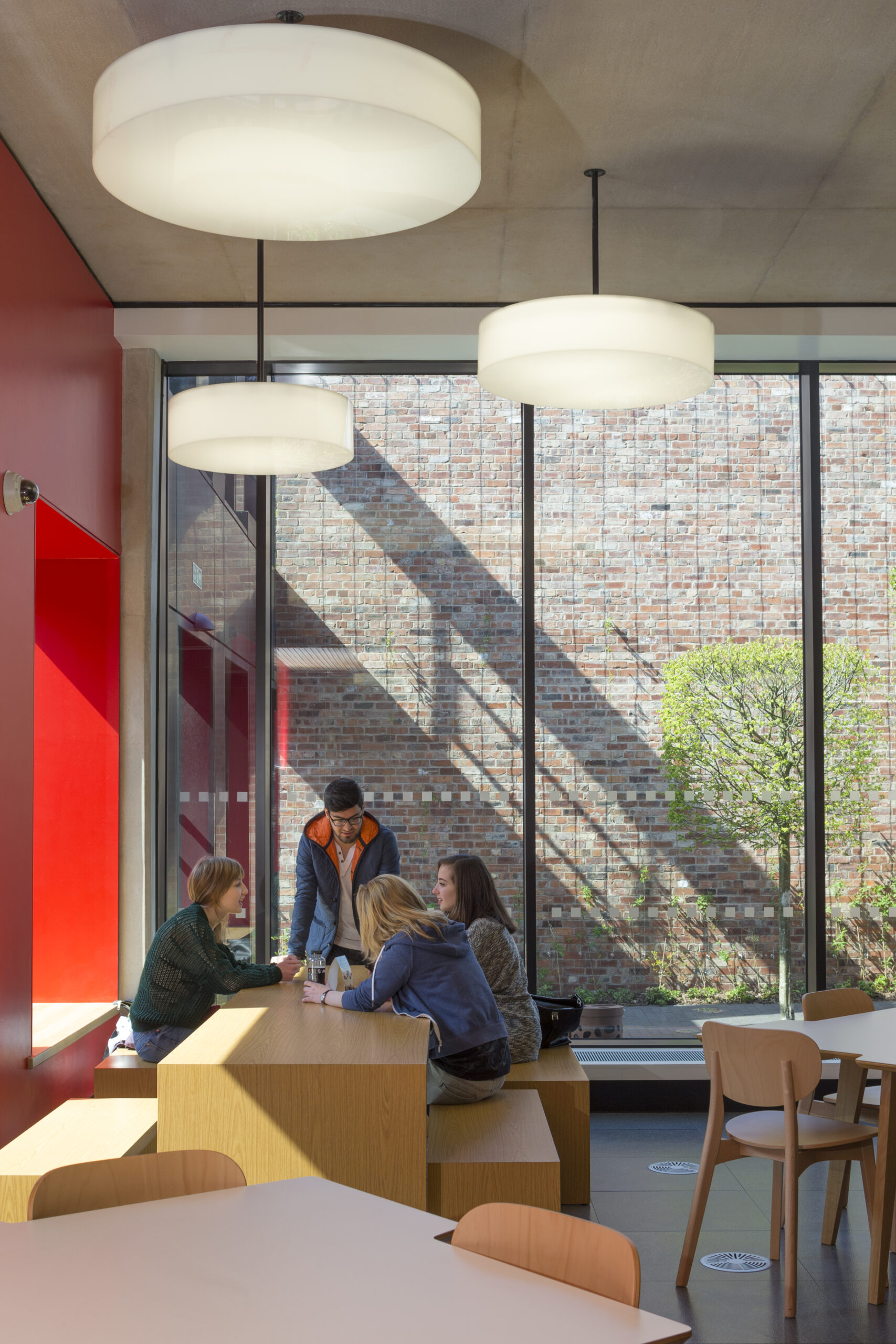
McIntyre House
For architects, lighting is no longer just about meeting building regulations—it’s about creating spaces that nurture the whole student. By integrating salutogenic design principles into lighting strategies, educational architecture can evolve into a catalyst for well-being, engagement, and academic success.
The best learning environments are those that feel bright, balanced, and alive. And that begins with how we light them.
GET MORE INSPIRATION
Illuminating Education: Designing Lighting Schemes for Focus, Comfort, and Well-being
Atrium and Flos Strengthen Exclusive UK Retail Partnership
Modular Lighting: A Sustainable Approach
Designing Outdoor Lighting for Dark Skies